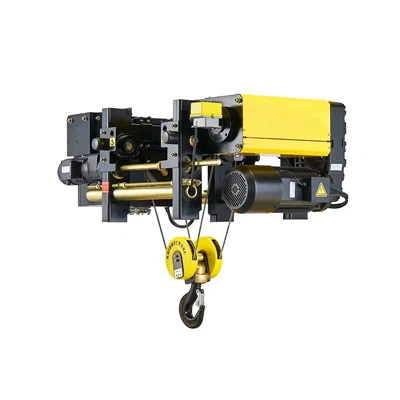
Hey there, folks! As a supplier of Full Electric Pallet Stackers, I've got a ton to share about the regulations and certifications you need to know when using these nifty machines.
Let's kick things off by understanding why regulations and certifications matter. In the world of industrial equipment, like our Electric Stacker For Sale, safety is the top priority. Regulations are put in place by governments and international bodies to make sure these stackers operate without posing risks to users, other workers, and the environment. Certifications, on the other hand, are like a stamp of approval that a stacker meets certain standards.
International Regulations
One of the most well - known international standards is the ISO (International Organization for Standardization). ISO has a series of standards related to industrial trucks, which our full - electric pallet stackers adhere to. For example, ISO 3691 covers general safety requirements for industrial trucks. This standard dictates things like the design of the stacker, including how it should be built to prevent tipping over, and the safety features it must have, such as brakes and warning devices.
Another important set of regulations comes from the European Union, known as the CE marking. If a full - electric pallet stacker has the CE mark, it means it complies with EU health, safety, and environmental protection regulations. This is crucial for companies operating in the European market. When we manufacture our 2.5m Full Electric Stacker, we ensure it meets the CE requirements so that our European customers can use it with confidence.
Local Regulations
Apart from international standards, local regulations also play a huge role. Different countries and even regions within countries may have their own specific rules. For instance, in the United States, the Occupational Safety and Health Administration (OSHA) sets regulations for the safe use of industrial equipment. OSHA requires that operators of full - electric pallet stackers be properly trained and certified. This training covers things like how to operate the stacker safely, how to perform basic maintenance, and what to do in case of an emergency.
We also need to consider regulations about emissions, even though full - electric stackers are generally cleaner than their diesel or gas counterparts. Some areas have strict environmental regulations regarding battery disposal and charging. We make sure that our Automatic Full Electric Pallet Stacker is designed in a way that helps our customers comply with these local environmental rules.
Certifications
Certifications are a sign that a full - electric pallet stacker has gone through rigorous testing and meets certain quality and safety benchmarks. One common certification is the UL (Underwriters Laboratories) certification. UL is an independent organization that tests products for safety. If our stacker has the UL certification, it means it has been tested for electrical safety, fire resistance, and mechanical safety.
Another important certification is the RTSO (Registered Third - Party Organization) certification in some regions. An RTPO conducts regular inspections and tests on industrial equipment to ensure it complies with local regulations. Our Full Electric Stacker 2 Ton undergoes continuous assessment to maintain such certifications.
Why Certifications Matter to You
As a buyer of a full - electric pallet stacker, these certifications and regulations are not just some bureaucratic red tape. They directly impact the safety and efficiency of your operations. A stacker that meets the required standards is less likely to cause accidents, which can save you a lot of money in terms of medical costs, equipment damage, and lost productivity.
For example, if a stacker doesn't have proper safety features as required by regulations, it could tip over while carrying heavy loads, endangering the operator and anyone nearby. Certifications also give you peace of mind. When you purchase a certified stacker from us, you know that you're getting a product that has been thoroughly tested and is reliable.
Our Stackers and Regulations
At our company, we're super strict about making sure all our full - electric pallet stackers comply with all relevant regulations and hold the necessary certifications. We work closely with testing organizations and keep up - to - date with the latest regulatory changes. Whether it's our Full Electric Stacker 1.5 Ton 3M or any other model in our range, we make sure they're top - notch in terms of safety and quality.
We also provide training and support to our customers to help them understand and comply with the regulations related to using our stackers. We know that regulations can be confusing, so we're here to make it easy for you.


If you're in the market for a full - electric pallet stacker, don't just look at the price or the features. Make sure you're getting a product that meets all the necessary regulations and has the right certifications. And if you have any questions about regulations, certifications, or our stackers in general, don't hesitate to reach out. We're always happy to have a chat and help you make the best decision for your business. Whether you're a small warehouse owner or a large distribution center, we've got the stacker that's right for you. So, let's start this conversation and find the perfect full - electric pallet stacker for your operation!
References
- International Organization for Standardization (ISO). Standards related to industrial trucks.
- European Union CE marking regulations.
- Occupational Safety and Health Administration (OSHA) regulations in the United States.
- Underwriters Laboratories (UL) certification guidelines.
- Local regulatory bodies and their requirements for industrial equipment.