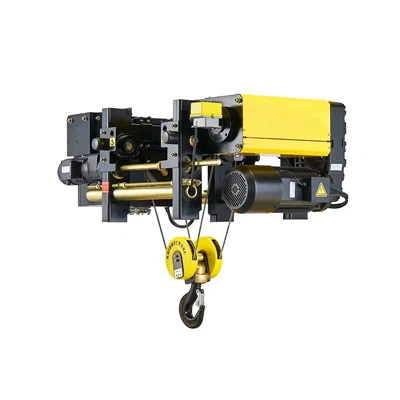
Hey there! As a supplier of electric stage hoists, I've seen firsthand how crucial it is to prevent these machines from over - speeding. Over - speeding in an electric stage hoist can lead to a whole bunch of problems, from equipment damage to serious safety hazards. So, let's dive into some ways to keep your electric stage hoist running at a safe speed.
Understanding the Basics of Over - speeding
First off, we need to understand what causes an electric stage hoist to over - speed. There are a few common culprits. One is a malfunction in the motor control system. The motor is the heart of the hoist, and if its speed regulation mechanism goes wonky, it can cause the hoist to accelerate beyond its intended limits. Another cause could be a problem with the load itself. If the load is unbalanced or exceeds the hoist's rated capacity, it can put extra stress on the motor and lead to over - speeding.
Installing Speed Limiters
One of the most effective ways to prevent over - speeding is to install speed limiters. These are devices that are designed to detect and control the speed of the hoist. They work by monitoring the motor's rotation and kicking in when the speed exceeds a preset limit. There are different types of speed limiters available, such as mechanical and electronic ones.
Mechanical speed limiters use centrifugal force or other mechanical principles to control the speed. They're relatively simple and reliable, but they might not offer the same level of precision as electronic ones. Electronic speed limiters, on the other hand, use sensors and microprocessors to constantly monitor and adjust the speed. They can be programmed to have very accurate speed limits and can also provide additional features like alarms when the speed gets too high.


If you're looking for high - quality electric stage hoists with built - in speed limiters, you might want to check out our Upright Type Stage Hoist. It's designed to provide reliable and safe operation with advanced speed control features.
Regular Maintenance and Inspection
Another key aspect of preventing over - speeding is regular maintenance and inspection of the hoist. Like any other piece of machinery, electric stage hoists need to be well - taken care of to function properly.
During maintenance, it's important to check all the components of the hoist, including the motor, gears, brakes, and cables. Look for signs of wear and tear, such as frayed cables or worn - out gears. Replace any damaged parts immediately. Also, make sure that all the connections are tight and that there's no loose wiring.
Inspection of the control system is also crucial. Check the speed sensors and the control board to ensure that they're working correctly. Test the speed limiters to make sure they're engaging at the right speed. If you notice any issues during the maintenance or inspection, don't ignore them. Get them fixed as soon as possible to avoid over - speeding problems.
Our D8 Plus Stage Electric Hoist | IP56 & Double Brake for Outdoor/Touring Use is built with high - quality components that are designed to withstand regular use. But even with a great product, regular maintenance is still necessary to keep it in top shape.
Proper Operator Training
The person operating the electric stage hoist plays a huge role in preventing over - speeding. That's why proper operator training is essential.
Operators should be trained on how to use the hoist correctly, including how to start, stop, and control the speed. They should also know how to read the hoist's control panel and understand the speed indicators. Additionally, operators should be aware of the hoist's rated capacity and never overload it.
Training should also cover what to do in case of an emergency. If the hoist starts to over - speed, operators need to know how to safely stop it and what steps to take to prevent further damage. Keep in mind that operator error can often be a contributing factor to over - speeding, so investing in proper training is a must.
Load Management
As I mentioned earlier, the load on the hoist can have a big impact on its speed. So, proper load management is crucial to prevent over - speeding.
Before lifting a load, make sure to weigh it and ensure that it doesn't exceed the hoist's rated capacity. Also, make sure that the load is properly balanced. An unbalanced load can cause the hoist to work harder and potentially lead to over - speeding.
Use appropriate lifting equipment, such as slings and hooks, to secure the load. Make sure that the load is evenly distributed and that there's no risk of it shifting during the lift. If you're dealing with a large or irregularly shaped load, you might need to use additional support or rigging to ensure safe operation.
Our 250kg Electric Stage Hoist With IP66 is designed for specific load capacities, and following proper load management practices will help it operate at a safe speed.
Monitoring Systems
Installing monitoring systems can also be a great way to prevent over - speeding. These systems can continuously monitor the hoist's speed, load, and other important parameters.
Some monitoring systems can provide real - time data on a control panel or even send alerts to your phone or computer if there's an issue. This allows you to quickly respond to any potential over - speeding situations.
Monitoring systems can also help with maintenance planning. By analyzing the data collected over time, you can identify trends and potential problems before they become serious. This proactive approach can save you a lot of time and money in the long run.
Using Variable Speed Control
Variable speed control is another effective way to prevent over - speeding. With a hoist that has variable speed control, you can adjust the speed according to the load and the specific requirements of the lift.
This gives you more flexibility and control over the hoisting process. You can start the hoist at a slow speed to ensure a smooth start and then gradually increase the speed as the load is lifted. Similarly, when lowering the load, you can slow down the hoist to ensure a safe descent.
Our Electric Hoist With Variable Speed Control offers this great feature, allowing you to have better control over the speed and prevent over - speeding.
Conclusion
Preventing an electric stage hoist from over - speeding is all about a combination of proper equipment, regular maintenance, operator training, and good load management. By following these tips, you can ensure the safe and efficient operation of your electric stage hoist.
If you're in the market for a high - quality electric stage hoist or need more information on how to prevent over - speeding, don't hesitate to reach out. We're here to help you find the right solution for your needs. Whether you're looking for a hoist for a theater, an outdoor event, or any other application, our Theater Electric Stage Hoist and other products are designed to meet your requirements.
Contact us to start a discussion about your electric stage hoist needs and let's work together to keep your hoisting operations safe and efficient.
References
- General safety guidelines for electric hoists from industry standards.
- Manufacturer's manuals for electric stage hoists.