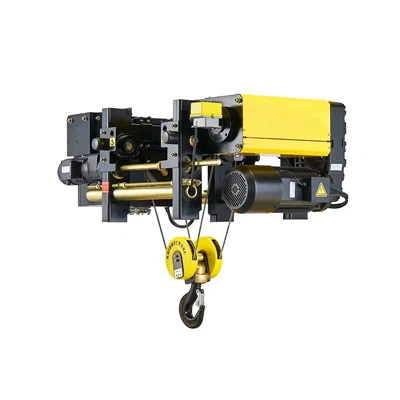
Hey there! If you're in the business of setting up a stage, whether it's for a small local theater or a large concert venue, you know how crucial a good electric stage hoist can be. I'm from a company that supplies these amazing pieces of equipment, and today I'm gonna walk you through the process of installing an electric stage hoist. So, let's dive right in!
Choosing the Right Electric Stage Hoist
Before you even start thinking about installation, you've gotta pick the right hoist for your needs. There are different types and capacities out there. For example, if you're setting up a theater setting, you might want to check out our Theater Electric Stage Hoist. It's specifically designed for theater applications and has all the features you need to lift sets and props smoothly.
If you're looking for a hoist with professional certifications, our Professional Stage Electric Hoist Series | DGUV V54 / BGV D8 Certified Entertainment Lifting Equipment is a great choice. These hoists meet strict safety standards, which is super important when it comes to lifting heavy loads in an entertainment setting.
For those who need a hoist with a certain weight capacity and remote control, our Professional 500kg/1Ton Electric Stage Hoist With Remote Control For Theatre Lifting fits the bill perfectly. It gives you the flexibility to control the lifting operation from a distance, which is really convenient during shows.
Another option is our Chian Hoist Entertainment Truss Lifting Machine. This one is great for lifting trusses, which are commonly used in stage setups to hold lighting and sound equipment.
And if you're into professional rigging, our Theater Hoist For Professional Rigging is the way to go. It's built to handle the demands of complex rigging systems.
Pre - installation Checks
Once you've got your hoist, it's time to do some pre - installation checks. First off, make sure you have all the necessary tools. You'll typically need a socket set, a torque wrench, a drill, and safety equipment like gloves and safety glasses.
Next, inspect the hoist for any damage that might have occurred during shipping. Check the chain, the motor, and the control unit. If you find any issues, don't try to install it right away. Contact our customer support, and we'll help you sort things out.
You also need to assess the installation site. Make sure the ceiling or the structure where you're going to mount the hoist is strong enough to support the weight. The load - bearing capacity should be at least 1.5 times the maximum load of the hoist. Measure the space to ensure that the hoist will fit and operate without any obstructions.
Mounting the Hoist
The first step in the actual installation process is mounting the hoist. Most electric stage hoists come with mounting brackets. You'll need to attach these brackets to the ceiling or the support structure using the appropriate screws or bolts.
Use your drill to create holes in the mounting surface. Make sure the holes are the right size for the fasteners. Insert the screws or bolts and tighten them using the torque wrench. It's important to use the correct torque value, as overdriving or under - tightening the fasteners can lead to safety issues.
Once the brackets are securely attached, carefully lift the hoist and place it on the brackets. Align the holes in the hoist with the holes in the brackets and insert the remaining fasteners. Tighten them using the torque wrench to the specified torque.
Electrical Connections
After mounting the hoist, it's time to make the electrical connections. This is a critical step, so if you're not experienced with electrical work, it's best to hire a qualified electrician.
First, turn off the power to the area where you'll be working to avoid any electrical shocks. Locate the electrical panel and switch off the corresponding breaker.
Connect the hoist's power cable to the appropriate electrical supply. Make sure the voltage of the supply matches the voltage rating of the hoist. Use wire nuts or terminal blocks to connect the wires securely. Check for any loose connections and make sure the insulation on the wires is intact.
Install the control unit, which allows you to operate the hoist. The control unit is usually connected to the hoist via a cable. Follow the manufacturer's instructions to make the proper connections. You may also need to install a remote control receiver if your hoist comes with a remote control.
Testing the Hoist
Once you've completed the installation and electrical connections, it's time to test the hoist. Before you turn on the power, double - check all the connections and make sure there are no loose parts.
Turn on the power at the electrical panel. Use the control unit to test the up and down movement of the hoist. Start with a light load, like a small test weight, and gradually increase the load if everything seems to be working fine.
Pay attention to any unusual noises, vibrations, or movements during the test. If you notice anything wrong, turn off the power immediately and check for the problem. It could be a loose connection, a faulty motor, or some other issue.
Maintenance and Safety
After a successful installation and testing, it's important to keep up with maintenance and safety procedures. Regularly inspect the hoist for any signs of wear and tear, such as frayed chains, loose bolts, or damaged electrical components.
Lubricate the moving parts of the hoist according to the manufacturer's recommendations. This will help to ensure smooth operation and extend the lifespan of the hoist.
Train your staff on how to use the hoist safely. Make sure they understand the controls, the weight limits, and the safety procedures. Always have a safety plan in place in case of emergencies.


Contact Us for Procurement
If you have any questions about our electric stage hoists, the installation process, or want to discuss a procurement, we're here to help. We're a team of experts who are passionate about providing the best stage equipment solutions. Whether you're a small - scale theater or a large - scale event organizer, we've got the right hoist for you. Don't hesitate to reach out and start the conversation about meeting your stage hoist needs.
References
- Industry standards for electric stage hoist installation and safety
- Manufacturer's installation and operation manuals for our electric stage hoists
- Previous customer experiences and case studies in stage hoist installations