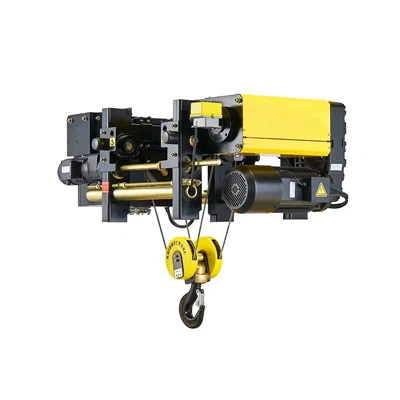
Hey there! As a supplier of European Type Hoists, I've seen firsthand how crucial reliability is in this industry. A reliable hoist not only ensures smooth operations but also boosts safety and efficiency. In this blog, I'm gonna share some tips on how to improve the reliability of European Type Hoists.
1. Regular Maintenance
One of the most important things you can do to keep your hoist running smoothly is regular maintenance. Just like a car, a hoist needs routine check - ups to perform at its best.
Inspection
Frequent inspections are key. You should check the mechanical parts, such as the gears, bearings, and brakes, for wear and tear. Look for any signs of cracks, corrosion, or excessive play. For the electrical components, check the wiring, switches, and control panels. Make sure there are no loose connections or signs of overheating.
For example, the brake is a critical safety component. If it's not working properly, it can lead to serious accidents. So, check the brake pads regularly and replace them when they're worn out.
Lubrication
Proper lubrication is essential for reducing friction and wear in the moving parts of the hoist. Different parts require different types of lubricants. For instance, the gears usually need a high - viscosity lubricant, while the bearings may need a special grease. Follow the manufacturer's recommendations on the type and frequency of lubrication.
2. Quality Components
Using high - quality components is another way to improve the reliability of European Type Hoists.
Motors
The motor is the heart of the hoist. A good motor should have high efficiency, low noise, and long - term durability. Look for motors that are designed specifically for hoist applications. They should be able to handle the load and the operating conditions without overheating or breaking down.
Wire Ropes
Wire ropes are used to lift and lower the load. They need to be strong and flexible. High - quality wire ropes are made from high - strength steel and have a good resistance to corrosion and abrasion. You can check out our European Type Wire Rope Hoist which is equipped with top - notch wire ropes.
Controls
The control system of the hoist allows the operator to manage the lifting and lowering operations. It should be user - friendly and reliable. Modern hoist control systems often use advanced technology, such as programmable logic controllers (PLCs), to ensure accurate and safe operation.
3. Operator Training
Even the most reliable hoist can have problems if it's not operated correctly. That's why operator training is so important.
Safety Procedures
Operators should be trained on all the safety procedures related to the hoist. This includes how to use the safety devices, such as the limit switches and emergency stop buttons. They should also know how to perform pre - operation checks to make sure the hoist is in good working condition.
Operating Skills
Proper operating skills can also extend the life of the hoist. For example, operators should avoid sudden starts and stops, as this can put extra stress on the components. They should also know how to handle different types of loads safely.
4. Environmental Considerations
The environment in which the hoist operates can have a big impact on its reliability.


Temperature
Extreme temperatures can affect the performance of the hoist. In high - temperature environments, the motor and other components may overheat. In low - temperature environments, the lubricants may thicken, which can affect the movement of the parts. Make sure the hoist is designed to operate within the temperature range of its intended environment.
Humidity and Corrosion
High humidity can cause corrosion in the metal parts of the hoist. To prevent this, you can use corrosion - resistant materials or apply protective coatings. Regular cleaning and maintenance can also help remove any moisture or contaminants that could lead to corrosion.
Dust and Debris
Dust and debris can get into the moving parts of the hoist and cause damage. If the hoist is operating in a dusty environment, it may be necessary to install dust covers or filters to protect the components.
5. Upgrades and Retrofits
As technology advances, it may be beneficial to upgrade or retrofit your European Type Hoist.
Control System Upgrades
Upgrading the control system can improve the functionality and reliability of the hoist. For example, you can install a new control system with advanced features such as remote control or load monitoring.
Safety Feature Additions
Adding new safety features can enhance the safety and reliability of the hoist. For example, you can install a load limiter to prevent overloading, or a sway control system to reduce the swinging of the load.
6. Data Monitoring and Analysis
With the development of the Internet of Things (IoT), data monitoring and analysis can play an important role in improving the reliability of hoists.
Real - Time Monitoring
By installing sensors on the hoist, you can monitor its performance in real - time. You can track parameters such as the load, the speed, the temperature of the motor, and the vibration of the components. This allows you to detect any potential problems early and take preventive measures.
Predictive Maintenance
Using data analysis techniques, you can predict when a component is likely to fail. This enables you to schedule maintenance in advance, which can reduce downtime and repair costs.
In conclusion, improving the reliability of European Type Hoists requires a comprehensive approach. By focusing on regular maintenance, using quality components, providing operator training, considering the environment, making upgrades and retrofits, and using data monitoring and analysis, you can ensure that your hoist operates safely and efficiently for a long time.
If you're interested in our European Type Hoists, such as the European Girder Crane Electric Wire Rope Hoist or the European Type Double Girder Wire Rope Hoist, feel free to contact us for more information and to discuss your specific needs. We're here to help you find the best hoist solutions for your business.
References
- Hoist Manufacturer's Manuals
- Industry Standards and Guidelines for Hoist Safety and Operation
- Research Papers on Hoist Reliability and Maintenance