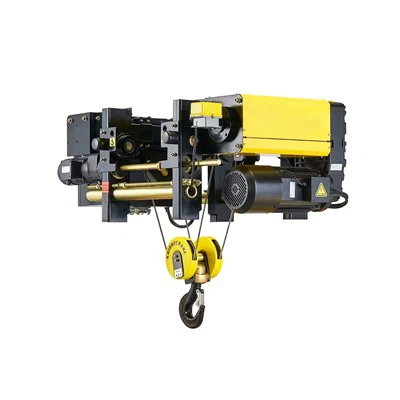
As a supplier of electric wire rope hoists, ensuring the proper operation of each component is crucial for the safety and efficiency of our products. One of the most critical parts of an electric wire rope hoist is the electromagnetic brake. In this blog, I'll share some essential steps on how to check the operation of the electromagnetic brake in an electric wire rope hoist.
Understanding the Function of the Electromagnetic Brake
Before we delve into the checking process, it's important to understand the role of the electromagnetic brake. The electromagnetic brake in an electric wire rope hoist is designed to hold the load securely when the hoist is not in motion and to provide reliable stopping power during operation. It works by using an electromagnetic field to engage or disengage the brake mechanism. When the power is on, the electromagnetic force pulls the brake pads away from the brake disc, allowing the hoist to operate. When the power is cut off, the brake pads are forced against the brake disc, stopping the hoist and holding the load in place.


Visual Inspection
The first step in checking the electromagnetic brake is a visual inspection. Start by examining the brake for any signs of physical damage, such as cracks, wear, or deformation. Check the brake pads for excessive wear. If the brake pads are worn beyond the recommended thickness, they should be replaced immediately. Look for any loose or missing bolts, nuts, or other fasteners that could affect the brake's operation.
Also, inspect the wiring and connections of the electromagnetic brake. Make sure the wires are not frayed, damaged, or loose. Any loose connections can cause intermittent operation or complete failure of the brake. Check the insulation of the wires to ensure there are no short circuits.
Electrical Testing
After the visual inspection, it's time to perform electrical testing. Use a multimeter to check the resistance of the electromagnetic coil. The resistance value should be within the specifications provided by the manufacturer. If the resistance is too high or too low, it could indicate a problem with the coil, such as a short circuit or an open circuit.
Next, check the voltage supplied to the electromagnetic brake. Ensure that the voltage is within the rated range of the brake. Incorrect voltage can cause the brake to malfunction. If the voltage is too low, the brake may not engage properly, while too high a voltage can damage the brake components.
Operational Testing
Once the visual and electrical inspections are complete, it's time to test the operation of the electromagnetic brake. Start the hoist and let it run through a few lifting and lowering cycles. Observe the hoist's movement carefully. The hoist should start and stop smoothly without any jerks or unusual noises.
When the hoist is stopped, the load should be held securely in place. If the load starts to drift or move, it could indicate a problem with the brake. Try to apply a small amount of force to the load to see if the brake can hold it. If the load moves under the applied force, the brake may need adjustment or repair.
Adjustment and Maintenance
If the inspection and testing reveal any issues with the electromagnetic brake, adjustments or maintenance may be required. Some common adjustments include adjusting the air gap between the brake pads and the brake disc. The air gap should be within the manufacturer's specified range. If the air gap is too large, the brake may not engage properly, while a too-small air gap can cause excessive wear on the brake pads.
Regular maintenance of the electromagnetic brake is also essential. Clean the brake components regularly to remove dirt, dust, and debris. Lubricate the moving parts as recommended by the manufacturer. Replace the brake pads and other worn components in a timely manner to ensure the continued reliable operation of the brake.
Product Recommendations
As a supplier, we offer a wide range of high - quality electric wire rope hoists. For example, our 2 Ton Electric Wire Rope Hoist Fixed Type 2/1 is a reliable choice for medium - sized lifting tasks. It is equipped with a high - performance electromagnetic brake to ensure safe and efficient operation.
If you need more precise control over the hoist's speed, our Wire Rope Hoist With Variable Frequency Drive is an excellent option. The variable frequency drive allows for smooth acceleration and deceleration, reducing wear on the brake and other components.
For heavy - duty lifting requirements, our Good Quality 10 Ton Electric Wire Rope Hoist is designed to handle large loads with ease. It features a robust electromagnetic brake system to ensure the safety of the load and the operator.
Conclusion
Checking the operation of the electromagnetic brake in an electric wire rope hoist is a crucial part of maintaining the safety and efficiency of the hoist. By following the steps outlined in this blog, you can ensure that the brake is in good working condition. If you have any questions or need further assistance with your electric wire rope hoist, please feel free to contact us for more information and to discuss your procurement needs.
References
- Manufacturer's manuals for electric wire rope hoists
- Industry standards for hoist safety and maintenance