Can a full electric pallet stacker be used in a food processing plant?
In the dynamic landscape of modern food processing plants, efficiency, safety, and hygiene are paramount. As a leading supplier of Full Electric Pallet Stacker, I am often asked whether our full electric pallet stackers can be used in food processing environments. The answer is a resounding yes, and in this blog post, I will delve into the reasons why these stackers are not only suitable but also highly beneficial for food processing plants.
Hygiene and Cleanliness
One of the primary concerns in a food processing plant is maintaining a high level of hygiene. Traditional fuel-powered equipment can emit harmful exhaust fumes, which are not only a health hazard but can also contaminate food products. In contrast, full electric pallet stackers produce zero emissions during operation, making them an ideal choice for food processing facilities. They do not release any pollutants, ensuring that the air quality in the plant remains clean and safe for both workers and food products.
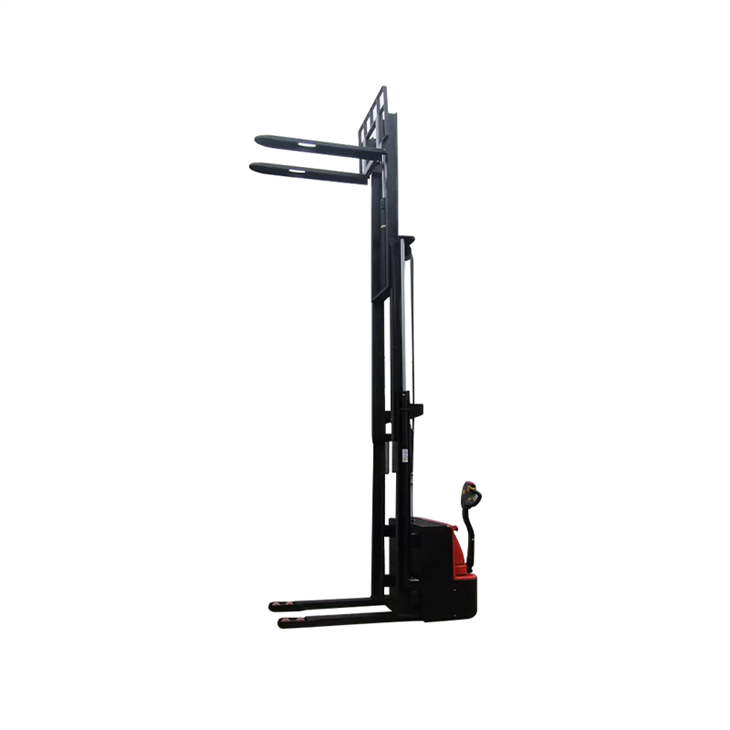
Moreover, electric stackers are generally easier to clean compared to their fuel-powered counterparts. They have fewer moving parts and no complex engine systems that can trap dirt and debris. This makes it simpler to wipe down the stacker regularly, preventing the accumulation of dust, grease, and other contaminants. Our Full Electric Stacker For Sale is designed with smooth surfaces and easy-to-remove components, allowing for thorough cleaning and disinfection. This helps to meet the strict hygiene standards required in food processing plants.
Safety Features
Safety is another critical aspect in a food processing plant. Full electric pallet stackers come equipped with a range of advanced safety features that make them well-suited for this environment. For example, many models are fitted with anti-rollback systems, which prevent the stacker from rolling backwards on an incline. This is particularly important in a busy plant where workers may be operating the stacker on ramps or slopes.
In addition, electric stackers often have automatic braking systems that engage when the operator releases the control handle. This ensures that the stacker stops immediately, reducing the risk of collisions and accidents. Our High-Performance Lithium Battery Electric Pallet Stacker also features a low-speed mode, which can be activated in areas with high foot traffic or tight spaces. This allows for greater control and maneuverability, minimizing the chances of damage to products or equipment.
Furthermore, electric stackers are quieter than fuel-powered ones, which can help to reduce noise pollution in the plant. Excessive noise can not only cause hearing damage to workers but also affect their concentration and productivity. By choosing an electric stacker, food processing plants can create a more comfortable and safe working environment.

Efficiency and Productivity
In a food processing plant, time is of the essence. Full electric pallet stackers offer high levels of efficiency and productivity, which can help to streamline operations and increase output. Electric stackers are typically faster and more responsive than manual or semi-electric models, allowing for quicker loading and unloading of pallets. They can also lift heavier loads to greater heights, enabling more efficient use of vertical space in the warehouse.
Our full electric pallet stackers are powered by high-performance lithium batteries, which provide longer run times and faster charging. This means that the stackers can be used for extended periods without the need for frequent battery changes or recharging. The lithium batteries also have a longer lifespan compared to traditional lead-acid batteries, reducing maintenance costs and downtime.
In addition, electric stackers are easier to operate than fuel-powered ones, requiring less physical effort from the operator. This can help to reduce fatigue and improve worker productivity. With features such as adjustable forks and easy-to-use controls, our stackers can be customized to meet the specific needs of each food processing plant, ensuring maximum efficiency and performance.
Cost-Effectiveness
While the initial investment in a full electric pallet stacker may be higher than that of a manual or semi-electric model, the long-term cost savings can be significant. Electric stackers have lower operating costs compared to fuel-powered ones, as they do not require expensive fuel or regular engine maintenance. The high-performance lithium batteries used in our stackers also have a lower cost per charge compared to traditional lead-acid batteries, further reducing operating expenses.
In addition, electric stackers are more energy-efficient, consuming less power than other types of equipment. This can result in lower electricity bills for the food processing plant. Over time, these cost savings can add up, making the investment in an electric stacker a smart financial decision.
Conclusion
In conclusion, a full electric pallet stacker is an excellent choice for a food processing plant. With its superior hygiene, safety features, efficiency, and cost-effectiveness, it can help to improve operations and ensure the smooth running of the plant. As a supplier of high-quality full electric pallet stackers, we are committed to providing our customers with the best products and services. If you are interested in learning more about our stackers or would like to discuss your specific requirements, please do not hesitate to contact us. We look forward to working with you to find the perfect solution for your food processing plant.
References
- "Food Processing Plant Safety Guidelines," Occupational Safety and Health Administration (OSHA).
- "Electric Forklifts: The Future of Material Handling," Material Handling Industry of America (MHIA).
- "Benefits of Lithium Batteries in Electric Equipment," Battery Council International (BCI).