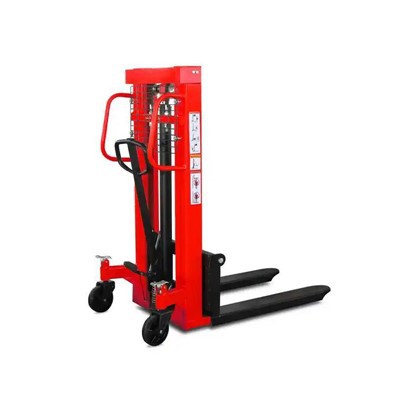
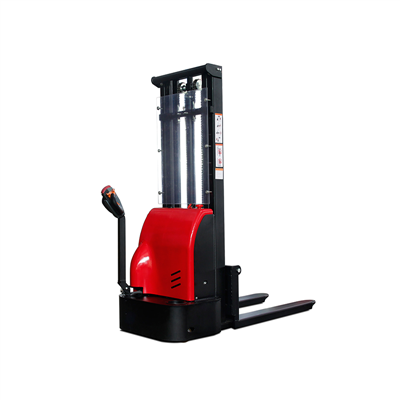
As a supplier of Manual Stacker Lifters, I understand the importance of proper maintenance to ensure the longevity and optimal performance of these essential material handling tools. One crucial aspect of maintenance is replacing the hydraulic fluid in a Manual Stacker Lifter. In this blog post, I'll guide you through the process step by step, providing you with the knowledge and confidence to carry out this task effectively.
Why Replace Hydraulic Fluid?
Hydraulic fluid plays a vital role in the operation of a Manual Stacker Lifter. It transfers power within the hydraulic system, lubricates moving parts, and helps dissipate heat. Over time, the hydraulic fluid can become contaminated with dirt, debris, and moisture, which can lead to reduced performance, increased wear and tear on components, and even system failure. Regularly replacing the hydraulic fluid helps maintain the efficiency and reliability of the stacker, ensuring smooth operation and minimizing the risk of costly repairs.

![8[Q3E0LX~HG{Y1$S]LHJHS8](/uploads/43572/2-ton-manual-stacker-hydraulica8c6f.png)
Tools and Materials You'll Need
Before you begin the process of replacing the hydraulic fluid, gather the following tools and materials:
- A suitable container to collect the old hydraulic fluid.
- A socket wrench or spanner to remove the drain plug.
- A funnel to pour the new hydraulic fluid into the reservoir.
- A clean cloth or rag to wipe up any spills.
- The correct type and amount of hydraulic fluid recommended by the manufacturer. You can usually find this information in the user manual or on the manufacturer's website.
Step-by-Step Guide to Replacing Hydraulic Fluid
Step 1: Prepare the Stacker
- Park the Manual Stacker Lifter on a level surface and engage the parking brake to prevent it from moving during the fluid replacement process.
- Lower the forks to their lowest position to relieve pressure on the hydraulic system.
- Make sure the stacker is turned off and the key is removed from the ignition (if applicable).
Step 2: Locate the Hydraulic Fluid Reservoir
The hydraulic fluid reservoir is typically located near the base of the stacker. It is usually a clear or translucent plastic tank with a cap on top. Refer to the user manual if you're having trouble finding it.
Step 3: Drain the Old Hydraulic Fluid
- Place the container underneath the drain plug, which is usually located at the bottom of the hydraulic fluid reservoir.
- Use the socket wrench or spanner to loosen and remove the drain plug. Be careful as the old hydraulic fluid may be hot and can cause burns.
- Allow the old hydraulic fluid to drain completely into the container. This may take a few minutes, depending on the size of the reservoir.
- Once the fluid has stopped draining, wipe the drain plug clean with a cloth or rag and reinstall it, tightening it securely.
Step 4: Clean the Reservoir
- Remove the cap from the hydraulic fluid reservoir.
- Use a clean cloth or rag to wipe the inside of the reservoir, removing any dirt, debris, or old fluid.
- If necessary, you can use a small amount of clean hydraulic fluid to rinse the reservoir, but make sure to drain it completely before proceeding.
Step 5: Refill the Reservoir with New Hydraulic Fluid
- Place the funnel in the opening of the hydraulic fluid reservoir.
- Slowly pour the new hydraulic fluid into the reservoir, using the markings on the side of the reservoir as a guide to ensure you don't overfill it. Refer to the user manual for the correct fluid level.
- Once you've filled the reservoir to the appropriate level, remove the funnel and wipe the area around the opening clean.
- Replace the cap on the reservoir, tightening it securely.
Step 6: Check for Leaks
- Start the Manual Stacker Lifter and raise the forks a few times to circulate the new hydraulic fluid through the system.
- Inspect the hydraulic system for any signs of leaks, such as fluid dripping or pooling underneath the stacker. If you notice any leaks, stop the stacker immediately and address the issue before continuing to use it.
Step 7: Dispose of the Old Hydraulic Fluid Properly
- Old hydraulic fluid is considered hazardous waste and should be disposed of properly. Check with your local waste management facility for instructions on how to dispose of it safely.
Tips and Precautions
- Always refer to the user manual for your specific Manual Stacker Lifter model for detailed instructions and safety guidelines.
- Use only the type and grade of hydraulic fluid recommended by the manufacturer. Using the wrong fluid can cause damage to the hydraulic system.
- Wear appropriate personal protective equipment, such as gloves and safety glasses, when working with hydraulic fluid.
- If you're unsure about any part of the fluid replacement process, or if you encounter any problems, don't hesitate to contact a qualified technician or the manufacturer for assistance.
Conclusion
Replacing the hydraulic fluid in a Manual Stacker Lifter is a relatively straightforward process that can significantly extend the life and performance of your equipment. By following the steps outlined in this blog post and taking the necessary precautions, you can ensure that your stacker operates smoothly and efficiently for years to come.
At our company, we offer a wide range of high-quality Manual Stacker Lifters, including Lift Stackers For Material Handling, 2 Ton Manual Stacker Hydraulic, and Manual Stacker forklift. If you're in the market for a new stacker or need any assistance with maintenance or repairs, please don't hesitate to contact us. We're here to help you find the right solution for your material handling needs.
References
- Manufacturer's user manual for Manual Stacker Lifter
- Industry standards and best practices for hydraulic system maintenance