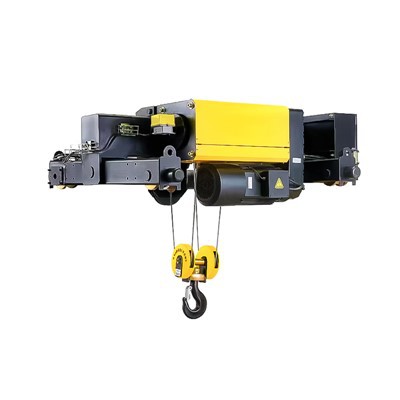
Hey there! As a supplier of manual stackers, I often get asked about the limitations of the types of loads these nifty machines can handle. So, let's dive right in and have a chat about it.
Manual stackers are a great option for many small to medium - sized businesses. They're affordable, easy to operate, and don't require a lot of maintenance. But like any piece of equipment, they do have their limits.
Weight Limitations
One of the most obvious limitations is the weight of the load. Different manual stackers come with different weight capacities. For example, our 2 Ton Manual Stacker Hydraulic can handle loads up to 2 tons. That's a pretty hefty amount, but if you're dealing with extremely heavy items like large industrial machinery parts or huge pallets of dense materials, this might not be enough.


Most standard manual stackers have weight capacities ranging from a few hundred kilograms to a couple of tons. If you try to load more than the specified weight, it can put a lot of stress on the hydraulic system, the forks, and the overall structure of the stacker. This can lead to premature wear and tear, and in the worst - case scenario, it could cause the stacker to malfunction or even break down. So, it's crucial to always check the weight capacity of the manual stacker before using it.
Size and Shape Limitations
The size and shape of the load also matter. Manual stackers usually have a set size for their forks. If your load is too wide or too long, it might not fit properly on the forks. For instance, if you have long, thin items like pipes or lumber, they could easily slip off the forks if they're not secured properly.
On the other hand, if the load is too tall, it can affect the stability of the stacker. A tall and top - heavy load can make the stacker more likely to tip over, especially when you're lifting it to a higher level. Our Hand Pallet Manual Lift Stackers are designed to handle standard pallet sizes, but if you have non - standard or oddly - shaped loads, you might run into some difficulties.
Load Stability
Another aspect to consider is the stability of the load itself. Some loads are more stable than others. For example, a pallet full of neatly stacked boxes is generally more stable than a load of loose items. If the load isn't stable, it can shift during the lifting and moving process. This not only makes it harder to control the stacker but also poses a safety risk.
Manual stackers rely on the operator to control the movement, and if the load starts to shift unexpectedly, it can be challenging to keep the stacker balanced. You might need to use additional securing methods like straps or shrink - wrap to keep the load stable, especially for items that are prone to moving around.
Terrain and Environment
The terrain and environment where you're using the manual stacker can also limit the types of loads it can handle. Manual stackers are typically designed for relatively flat and smooth surfaces. If you're using it on a rough, uneven, or sloped surface, it can be difficult to maneuver the stacker, especially when it's carrying a heavy load.
In a wet or slippery environment, the risk of the stacker slipping or losing control increases. The wheels of the manual stacker might not grip the surface well, which can make it hard to move the load safely. Also, if there are obstacles in the way, like narrow aisles or tight corners, it can be challenging to operate the stacker with a large or bulky load.
Operator Skill and Experience
The skill and experience of the operator play a big role in determining what types of loads a manual stacker can handle. A novice operator might have trouble handling a large or heavy load, even if the stacker is technically capable of it. They might not know how to properly position the forks, lift the load evenly, or maneuver the stacker in tight spaces.
On the other hand, an experienced operator can make the most of the stacker's capabilities. They know how to adjust the lifting speed, use the brakes effectively, and anticipate any potential problems. So, it's important to provide proper training to the operators to ensure they can handle different types of loads safely.
Compatibility with Other Equipment
Sometimes, you might need to use the manual stacker in conjunction with other equipment, like conveyor belts or storage racks. The manual stacker needs to be compatible with these other pieces of equipment. For example, if the height of the storage rack is not compatible with the lifting height of the stacker, it can be difficult to load and unload the items.
Also, if the conveyor belt has a different speed or movement pattern than what the stacker can handle, it can cause issues. You need to make sure that all the equipment in your warehouse or workspace works together smoothly to handle the loads efficiently.
Our Solutions
At our company, we understand these limitations, and that's why we offer a range of manual stackers to suit different needs. Whether you need a small, lightweight stacker for handling light loads in a tight space or a heavy - duty stacker for larger items, we've got you covered.
Our Hand Pallet Lifter Manual Stackers are great for general - purpose pallet handling. They're easy to use and can handle a variety of standard loads. And if you need something more heavy - duty, our 2 - ton hydraulic stacker is a reliable option.
We also provide training and support to our customers. We can help you choose the right stacker for your specific needs and teach your operators how to use it safely and effectively.
Conclusion
So, to sum it up, while manual stackers are a versatile and useful piece of equipment, they do have limitations when it comes to the types of loads they can handle. Weight, size, shape, stability, terrain, operator skill, and compatibility with other equipment all play a role in determining what a manual stacker can do.
But don't let these limitations scare you off. With the right choice of stacker and proper training, you can make the most of these machines in your business. If you're interested in learning more about our manual stackers or have any questions about load handling, feel free to reach out to us. We're here to help you find the best solution for your load - handling needs. Let's start a conversation and see how we can work together to improve your operations.
References
- Material Handling Equipment Manufacturers' Association (MHEMA) guidelines on manual stacker usage.
- Industry reports on the performance and limitations of manual stackers.