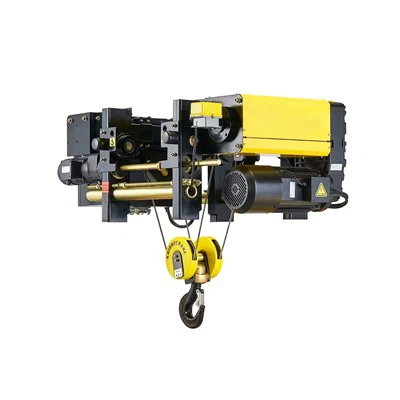
Hey there! As a supplier of Stage Chain Hoists, I've been getting a lot of questions lately about noise reduction. You know, when you're setting up a stage for a big event, the last thing you want is a noisy hoist ruining the atmosphere. So, I thought I'd share some of the noise - reduction measures we've found effective.
1. Choose the Right Model
First off, picking the right hoist model can make a huge difference. We have some great options on our website. For instance, the Theater Hoist For Quick Installation is designed with noise in mind. It's built with high - quality components that are engineered to operate smoothly and quietly. The advanced motor technology in this hoist reduces vibrations, which are a major source of noise. When the motor runs more smoothly, there's less rattling and shaking, and that means less noise.
Another great option is the Theater Hoist With Precision Control. This hoist not only gives you precise control over your stage equipment but also operates quietly. The precision - engineered gears and bearings are designed to mesh smoothly, reducing the friction that can cause noise. Plus, the hoist's enclosure is made of sound - absorbing materials, which helps to contain any noise that might be generated.
2. Proper Installation
Installing the stage chain hoist correctly is crucial for noise reduction. If the hoist is not installed level or is loosely mounted, it can vibrate more than it should, creating a lot of noise. Make sure to follow the installation instructions carefully. Use the right tools and hardware to secure the hoist firmly to its mounting surface.
For example, when installing the Stage Hoist For Aluminum Truss, ensure that the truss is strong enough to support the hoist's weight and that the hoist is attached securely to the truss. A loose connection can lead to rattling and banging as the hoist operates. Also, check that the hoist is aligned properly. Misalignment can cause the chain to rub against the housing, creating a loud screeching noise.
3. Regular Maintenance
Just like any other piece of equipment, stage chain hoists need regular maintenance to keep them running quietly. Lubrication is key. Over time, the moving parts of the hoist can start to wear down, and friction can increase, leading to more noise. By lubricating the gears, bearings, and chains regularly, you can reduce friction and keep the hoist operating smoothly.
Inspect the hoist for any signs of wear and tear. Look for loose bolts, damaged chains, or worn - out parts. Replace any damaged components as soon as possible. A worn - out chain can make a lot of noise as it moves through the hoist, and a loose bolt can cause vibrations.
4. Soundproofing the Surroundings
Sometimes, even with the best - designed hoist and proper installation and maintenance, there might still be some noise. In these cases, soundproofing the area around the hoist can help. You can use sound - absorbing materials like acoustic panels on the walls and ceiling of the area where the hoist is installed. These panels can absorb the sound waves and reduce the amount of noise that escapes into the surrounding environment.
Place the hoist in an enclosed cabinet or housing made of sound - insulating materials. This can further contain the noise. However, make sure that the cabinet has proper ventilation to prevent the hoist from overheating.


5. Isolation Mounts
Using isolation mounts can also be an effective way to reduce noise. These mounts are designed to absorb vibrations and prevent them from being transferred to the surrounding structure. They can be placed between the hoist and its mounting surface.
Isolation mounts work by creating a buffer between the hoist and the structure. When the hoist vibrates, the isolation mounts absorb the energy of the vibrations, reducing the amount of noise that is transmitted. This is especially useful if the hoist is installed in a location where vibrations can easily travel through the building structure, such as on a metal platform or a wooden floor.
6. Chain Management
The chain itself can be a source of noise. Make sure the chain is clean and free of debris. A dirty chain can make a lot of noise as it moves through the hoist. You can use a chain cleaner to remove any dirt or grime.
Also, check the chain tension. A loose chain can flap around and make noise, while an overly tight chain can put extra stress on the hoist and cause it to make more noise. Adjust the chain tension according to the manufacturer's recommendations.
7. Software and Control System Optimization
If your stage chain hoist has a software - based control system, optimizing the settings can help reduce noise. Some hoists allow you to adjust the acceleration and deceleration rates. By setting these rates to a more gradual level, you can reduce the sudden jolts and vibrations that can cause noise.
For example, instead of having the hoist start and stop abruptly, a more gradual acceleration and deceleration will make the operation smoother and quieter. Some control systems also have noise - reduction algorithms built - in. Make sure to take advantage of these features to get the quietest operation possible.
Conclusion
Noise reduction for stage chain hoists is a multi - faceted approach. By choosing the right model, installing it correctly, maintaining it regularly, soundproofing the surroundings, using isolation mounts, managing the chain properly, and optimizing the control system, you can significantly reduce the noise generated by your stage chain hoist.
If you're in the market for a stage chain hoist or need more information on noise - reduction measures, don't hesitate to reach out. We're here to help you find the best solution for your needs. Whether you're setting up a small theater or a large concert venue, we've got the expertise and the products to ensure a quiet and efficient operation.
References
- General knowledge about stage equipment maintenance and noise reduction techniques.
- Manufacturer's guidelines for the operation and maintenance of stage chain hoists.