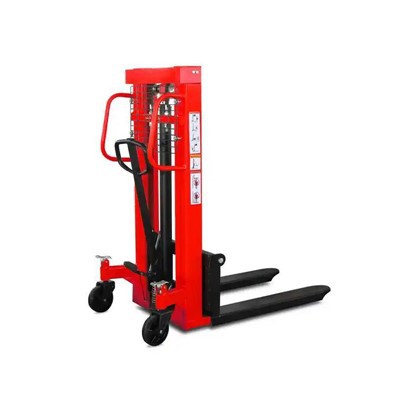
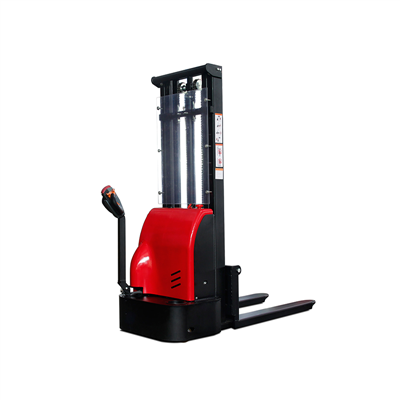
The load capacity of a full electric pallet stacker is a crucial factor that directly impacts its performance and suitability for various industrial applications. As a reputable supplier of full electric pallet stackers, we understand the significance of this parameter and strive to provide our customers with in - depth knowledge to make informed decisions.
Understanding Load Capacity Basics
Load capacity refers to the maximum weight that a full electric pallet stacker can safely lift and transport. It is typically measured in kilograms or pounds. This value is determined by several factors, including the design of the stacker, the strength of its lifting mechanism, and the quality of its components.
The structural integrity of the stacker plays a vital role in determining its load - bearing capacity. The frame, mast, and forks are engineered to withstand specific weights. For example, a stacker with a robust frame made from high - strength steel can generally support a larger load compared to one with a less sturdy frame. The lifting mechanism, whether it is a hydraulic or electric system, also has a direct impact on the load capacity. A well - designed hydraulic system can provide smooth and powerful lifting, allowing the stacker to handle heavier loads.
Factors Affecting Load Capacity
Mast Height
One of the most significant factors affecting the load capacity of a full electric pallet stacker is the mast height. As the mast extends to higher levels, the stacker's stability decreases, and its load - carrying ability is reduced. This is because the center of gravity of the load shifts upward, increasing the risk of tipping. For instance, a stacker may have a load capacity of 2000 kg at a lower mast height, but this capacity may drop to 1500 kg when the mast is fully extended.
Fork Length
The length of the forks also influences the load capacity. Longer forks can distribute the weight of the load more evenly, but they may also reduce the stacker's overall stability. If the forks are too long for the load, there is a higher chance of the load shifting during lifting or transportation, which can lead to accidents. Therefore, it is essential to choose the appropriate fork length based on the size and weight of the pallets and loads to be handled.
Battery Power
The battery of a full electric pallet stacker provides the energy needed for lifting and moving. A high - capacity battery can supply more power, enabling the stacker to handle heavier loads. However, as the battery discharges, the stacker's performance may decline, and its load - carrying capacity may be affected. Regular battery maintenance and proper charging procedures are crucial to ensure that the stacker operates at its optimal load capacity.
Different Types of Full Electric Pallet Stackers and Their Load Capacities
High Lift Electric Stacker For Sale
Our High Lift Electric Stacker For Sale is designed for applications that require lifting loads to significant heights. These stackers typically have a load capacity ranging from 1000 kg to 2500 kg. They are equipped with advanced lifting mechanisms and stable masts, allowing them to handle heavy loads at high elevations.
Full Electric Stacker Self Lift Stacker
The Full Electric Stacker Self Lift Stacker is a versatile option suitable for a wide range of warehouse operations. It usually has a load capacity between 500 kg and 2000 kg. These stackers are known for their compact design and ease of use, making them ideal for small to medium - sized warehouses.
Full Electric Stacker 3.5M For Sale
Our Full Electric Stacker 3.5M For Sale is specifically designed for applications where a lifting height of 3.5 meters is required. The load capacity of these stackers can vary from 1200 kg to 2000 kg. They are engineered to provide stable and efficient lifting at this height, ensuring safe and reliable operation.
Importance of Choosing the Right Load Capacity
Selecting the appropriate load capacity for a full electric pallet stacker is essential for several reasons. Firstly, it ensures the safety of the operators and the goods being handled. Overloading a stacker can lead to structural damage, instability, and even accidents. Secondly, it improves operational efficiency. A stacker with the right load capacity can handle the required loads in a timely manner, reducing the time and effort spent on multiple trips. Finally, it helps to extend the lifespan of the stacker. By operating within the recommended load capacity, the stacker's components are less likely to experience excessive wear and tear, resulting in lower maintenance costs and longer service life.
How to Determine the Right Load Capacity for Your Needs
Analyze Your Loads
The first step in determining the right load capacity is to analyze the weights and sizes of the pallets and loads you need to handle. Measure the maximum weight of the pallets, including the goods on them, and consider any variations in load weight. If you handle a wide range of load weights, it may be advisable to choose a stacker with a higher load capacity to accommodate the heaviest loads.
Consider Your Warehouse Layout
The layout of your warehouse also plays a role in determining the appropriate load capacity. If your warehouse has narrow aisles or limited space, a stacker with a lower load capacity and a more compact design may be more suitable. On the other hand, if you have a large open - space warehouse with high - volume operations, a stacker with a higher load capacity can improve efficiency.
Evaluate Future Growth
It is also important to consider future growth when choosing a full electric pallet stacker. If you anticipate an increase in the volume or weight of your loads in the future, it may be wise to invest in a stacker with a slightly higher load capacity than your current needs. This will allow you to adapt to changing business requirements without having to replace the stacker prematurely.


Conclusion
The load capacity of a full electric pallet stacker is a complex parameter that is influenced by multiple factors. As a supplier, we are committed to providing our customers with high - quality stackers that meet their specific load - handling requirements. By understanding the factors affecting load capacity and carefully evaluating your needs, you can choose the right stacker for your operations.
If you are interested in purchasing a full electric pallet stacker or have any questions about load capacity, please feel free to contact us for more information. Our team of experts is ready to assist you in making the best decision for your business.
References
- "Material Handling Equipment Handbook", Industrial Press Inc.
- "Warehouse Automation and Management", Springer Publishing