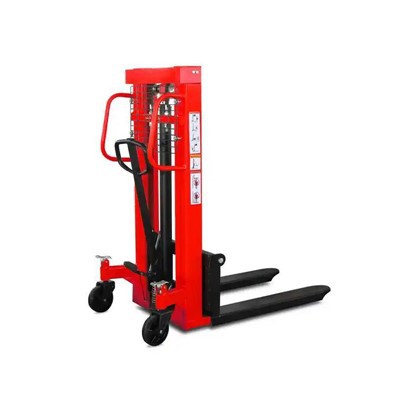
When it comes to material handling in warehouses, factories, and distribution centers, pallet trucks are indispensable tools. They streamline the process of moving heavy loads on pallets, enhancing efficiency and reducing manual labor. Among the various types of pallet trucks available in the market, full electric pallet trucks and semi-electric ones stand out. As a supplier of full electric pallet trucks, I've witnessed firsthand the unique features and benefits of each type. In this blog, I'll delve into the differences between these two types of pallet trucks to help you make an informed decision for your business.
Power Source and Operation
The most fundamental difference between full electric pallet trucks and semi-electric ones lies in their power sources and how they operate.
A semi-electric pallet truck combines manual and electric power. The lifting mechanism is typically electric, which means that the operator can use a switch or a button to raise the forks to the desired height with ease. However, the movement of the truck itself is manual. The operator has to physically push or pull the truck to move it around the warehouse. This type of pallet truck is suitable for applications where the distance of movement is relatively short, and the lifting frequency is not extremely high. For example, in a small - scale warehouse where goods are moved within a limited area, a semi - electric pallet truck can be a cost - effective solution.
On the other hand, a full electric pallet truck is powered entirely by electricity. Both the lifting and the moving functions are electric. The operator can control the lifting, lowering, forward, and backward movement of the truck using a control panel or a joystick. This makes it much easier to handle heavy loads over longer distances. For instance, in a large distribution center where pallets need to be transported from one end of the facility to the other, a full electric pallet truck can significantly improve productivity.
Lifting Capacity
Lifting capacity is another crucial factor to consider when comparing full electric and semi - electric pallet trucks.
Semi - electric pallet trucks generally have a lower lifting capacity compared to full electric ones. Most semi - electric pallet trucks can handle loads ranging from 1 - 2 tons. This is because their manual movement component limits the amount of weight they can effectively carry over a distance. If you need to lift and move heavier loads, a semi - electric pallet truck may not be the best choice.
Full electric pallet trucks, however, are designed to handle heavier loads. They can have lifting capacities of up to 3 tons or more, depending on the model. For businesses that deal with large and heavy pallets, such as those in the manufacturing or automotive industries, a full electric pallet truck with a high lifting capacity is essential. For example, our 2 Ton 2000kg Electric Pallet Truck is capable of handling substantial loads, making it ideal for heavy - duty applications.
Efficiency and Productivity
In terms of efficiency and productivity, full electric pallet trucks have a clear advantage.
Since full electric pallet trucks can move and lift loads with the push of a button, they can complete tasks much faster than semi - electric ones. The electric drive system allows for smooth and continuous movement, reducing the time it takes to transport pallets from one location to another. In addition, the precise control of the lifting and moving functions means that operators can position pallets more accurately, minimizing the risk of damage to goods.
Semi - electric pallet trucks, due to their manual movement requirement, are slower and more labor - intensive. The operator has to exert physical effort to move the truck, which can lead to fatigue over time. This can result in a decrease in productivity, especially during long - shift operations.
Maneuverability
Maneuverability is an important consideration, especially in tight spaces.
Full electric pallet trucks are often more maneuverable than semi - electric ones. They are equipped with advanced steering systems that allow for easy turning and navigation in narrow aisles. Some full electric pallet trucks have a small turning radius, which enables them to make sharp turns without hitting obstacles. This makes them suitable for warehouses with limited space.
Semi - electric pallet trucks, while they can also be maneuvered in relatively small spaces, may require more physical effort from the operator to turn and position the truck. In addition, the manual movement may make it more difficult to achieve precise positioning in tight areas.
Cost
Cost is always a significant factor in any purchasing decision.
Semi - electric pallet trucks are generally more affordable than full electric ones. Their simpler design and the combination of manual and electric components result in a lower price tag. This makes them a popular choice for small businesses or those on a tight budget. However, it's important to consider the long - term costs, such as labor costs and potential productivity losses.
Full electric pallet trucks are more expensive upfront. But they can offer a better return on investment in the long run. Their higher efficiency and productivity can lead to cost savings over time. For example, by reducing the time it takes to move pallets, businesses can increase their throughput and potentially generate more revenue.
Maintenance
Maintenance requirements also differ between full electric and semi - electric pallet trucks.
Semi - electric pallet trucks have a relatively simple structure. The manual components require regular inspection and lubrication to ensure smooth operation. The electric lifting mechanism also needs to be checked periodically for any signs of wear or damage. However, overall, the maintenance of semi - electric pallet trucks is less complex and less costly.
Full electric pallet trucks, on the other hand, have more complex electrical systems. These systems need to be maintained by trained technicians to ensure safe and reliable operation. The batteries, which are a crucial part of the full electric pallet truck, also require proper charging and maintenance. However, modern full electric pallet trucks are designed with advanced diagnostic systems that can detect potential problems early, reducing the risk of breakdowns.
Our Full Electric Pallet Truck Offerings
As a supplier of full electric pallet trucks, we offer a wide range of products to meet different customer needs. Our Mini Electric Pallet Truck is perfect for light - duty applications and tight spaces. It has a compact design and is easy to maneuver, making it suitable for small warehouses or retail stores.
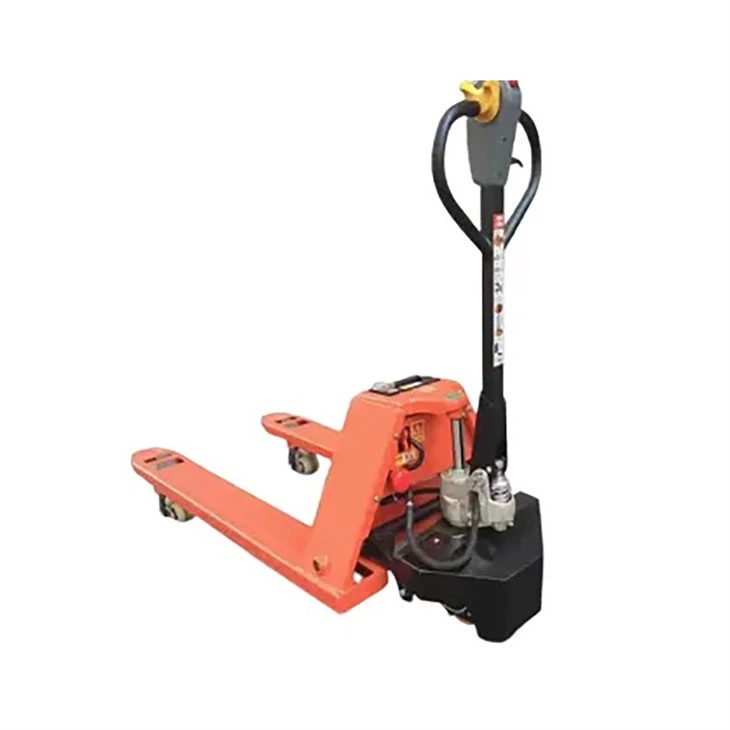

Our Electric Pallet Truck 1500kg is a versatile option that can handle medium - sized loads. It combines high performance with excellent maneuverability, making it a popular choice among our customers.
Conclusion
In conclusion, the choice between a full electric pallet truck and a semi - electric one depends on several factors, including the lifting capacity required, the distance of movement, the available space, the budget, and the frequency of use. While semi - electric pallet trucks are more affordable and suitable for light - duty and short - distance applications, full electric pallet trucks offer higher efficiency, greater productivity, and better maneuverability, making them ideal for heavy - duty and large - scale operations.
If you're considering purchasing a pallet truck for your business, I encourage you to contact us for more information. Our team of experts can help you select the right pallet truck based on your specific requirements. We are committed to providing high - quality products and excellent customer service. Whether you need a small - scale solution or a heavy - duty pallet truck, we have the right product for you. Let's start a conversation about how we can meet your material - handling needs.
References
- "Warehouse Material Handling Equipment: A Comprehensive Guide", Industrial Equipment Magazine, 2022.
- "The Future of Pallet Trucks", Logistics and Supply Chain Journal, 2023.