


As a seasoned supplier of stage chain hoists, I've had the privilege of witnessing the intricate dance between technology and performance in the entertainment industry. Stage chain hoists are indispensable tools, playing a crucial role in lifting and positioning various equipment and scenery on stage. Understanding the vibration characteristics of these hoists during operation is not only essential for ensuring smooth performances but also for guaranteeing the safety of both the equipment and the personnel involved.
Factors Affecting Vibration
Mechanical Structure
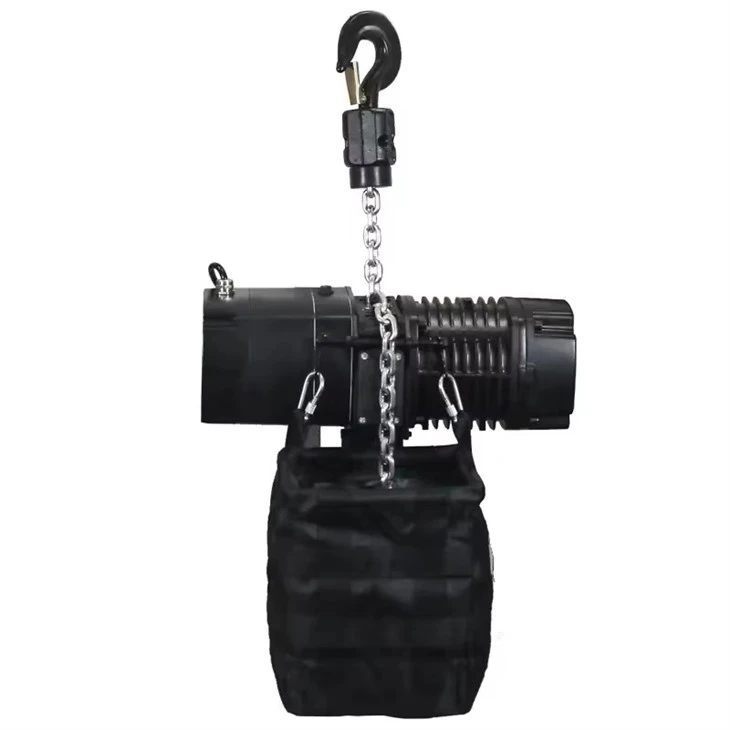
The mechanical design of a stage chain hoist significantly influences its vibration characteristics. Components such as the chain, sprocket, and motor all contribute to the overall vibration pattern. For instance, a misaligned sprocket can cause uneven movement of the chain, leading to increased vibration. Similarly, a worn - out motor bearing can generate excessive vibration during operation. At our company, we pay meticulous attention to the quality of these components. We source high - grade chains and precision - engineered sprockets to minimize mechanical imbalances. This ensures that our stage hoist chain operates with maximum efficiency and minimal vibration.
Load Characteristics
The nature of the load being lifted also has a profound impact on the vibration of the stage chain hoist. Irregularly shaped loads or loads with an uneven distribution of weight can cause the hoist to vibrate more than usual. When a load is off - center, it creates an unbalanced force on the hoist, leading to increased stress on the chain and other components. Our team of experts advises customers to carefully assess the load before lifting. We offer guidance on how to properly secure and balance the load to reduce vibration. In addition, our hoists are designed to handle a wide range of loads, from light - weight props to heavy - duty stage equipment. Our 1 Ton Stage Electric Hoist is a prime example, capable of lifting heavy loads with stability.
Operating Conditions
The environment in which the stage chain hoist operates can affect its vibration characteristics. For example, a hoist operating on an unstable platform or in a high - vibration environment (such as near large - scale machinery) is more likely to experience increased vibration. Temperature and humidity can also play a role. Extreme temperatures can cause the components of the hoist to expand or contract, leading to changes in the mechanical clearances and potentially increasing vibration. We recommend that customers install our hoists on stable and level platforms. Our hoists are also engineered to withstand a wide range of environmental conditions, ensuring reliable performance in various settings.
Effects of Vibration
Equipment Wear and Tear
Excessive vibration can accelerate the wear and tear of the stage chain hoist components. The constant shaking can cause the chain links to rub against each other, leading to premature wear. It can also damage the sprocket teeth and the motor bearings. Over time, this can result in costly repairs and replacements. By understanding and minimizing vibration, we can extend the lifespan of the hoist. Our products are built to last, with features designed to reduce vibration and enhance durability.
Noise Generation
Vibration is often accompanied by noise. A noisy hoist can be a distraction during a performance, especially in a quiet concert or theater setting. High - frequency vibrations can produce a screeching or rattling sound, which can be unpleasant for the audience and the performers. Our engineers work hard to design hoists that operate quietly. Through advanced design and the use of noise - reducing materials, we ensure that our Electric Hoist For Concert Stage provides a smooth and silent operation.
Safety Risks
Vibration can pose significant safety risks. In extreme cases, excessive vibration can cause the load to become unstable and potentially fall. It can also lead to the loosening of bolts and other fasteners, compromising the structural integrity of the hoist. We take safety very seriously and have implemented strict quality control measures to ensure that our hoists meet the highest safety standards. Our hoists are equipped with safety features such as overload protection and emergency stop buttons to prevent accidents.
Measuring and Monitoring Vibration
Vibration Sensors
To accurately measure the vibration of the stage chain hoist, we use vibration sensors. These sensors can detect the amplitude, frequency, and direction of the vibration. By analyzing the data collected by the sensors, we can identify potential problems early on. For example, if the vibration frequency suddenly increases, it could indicate a mechanical issue such as a loose component or a misaligned sprocket. Our hoists can be equipped with optional vibration sensors, allowing customers to monitor the performance of the hoist in real - time.
Regular Inspections
In addition to using sensors, regular inspections are essential for monitoring the vibration characteristics of the hoist. Our technicians conduct thorough inspections of the hoist before and after each use. They check for any signs of wear, misalignment, or damage. By performing these inspections, we can detect and address vibration - related issues before they become serious problems.

Strategies to Reduce Vibration
Dynamic Balancing
Dynamic balancing is a technique used to ensure that the rotating components of the hoist, such as the motor and the sprocket, are balanced. By adding or removing small weights from the rotating parts, we can minimize the unbalanced forces and reduce vibration. Our manufacturing process includes dynamic balancing of the critical components to ensure smooth operation.
Lubrication
Proper lubrication is crucial for reducing friction and vibration. We recommend using high - quality lubricants on the chain, sprocket, and other moving parts. The lubricant forms a thin film between the surfaces, reducing the contact friction and preventing the generation of excessive heat and vibration. Our technical support team provides detailed instructions on how to lubricate the hoist correctly.
Isolation Mounts
Isolation mounts can be used to reduce the transmission of vibration from the hoist to the surrounding structure. These mounts are made of rubber or other elastic materials that absorb the vibration energy. By installing isolation mounts between the hoist and the platform, we can effectively reduce the amount of vibration that is transferred to the stage or the building.
In conclusion, understanding the vibration characteristics of a stage chain hoist during operation is vital for ensuring the smooth and safe operation of the equipment. As a supplier, we are committed to providing high - quality hoists that are designed to minimize vibration. Our products, such as the Electric Hoist For Concert Stage, 1 Ton Stage Electric Hoist, and stage hoist chain, are engineered with the latest technology and strict quality control measures.
If you are in the market for a reliable stage chain hoist, we invite you to contact us for more information. Our team of experts is ready to assist you in choosing the right hoist for your specific needs and to provide you with professional advice on installation, operation, and maintenance.
References
- Mechanical Engineering Handbook, edited by Myer Kutz, Wiley - Interscience.
- Handbook of Vibration Engineering, by C. V. Panossian, CRC Press.
- Standards for Hoist Safety and Performance, published by relevant industry associations.


