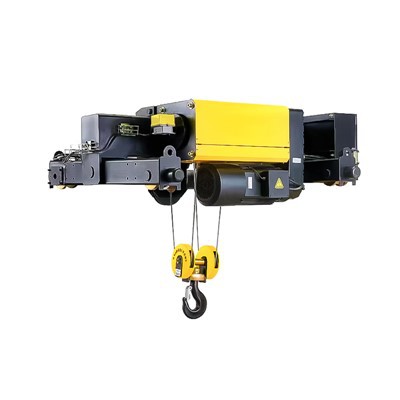
As a supplier of European Type Hoists, ensuring the safety of power supply is of paramount importance. European Type Hoists are widely used in various industrial settings due to their high - performance and reliability. However, without proper safety measures for the power supply, these hoists can pose significant risks to both personnel and equipment. In this blog, we will explore the key safety measures for the power supply of European Type Hoists.
1. Electrical Installation Standards Compliance
The first and most fundamental safety measure is to ensure that the electrical installation of the European Type Hoist complies with relevant European and international standards. For example, in Europe, the installation should adhere to the requirements of the Low Voltage Directive (LVD) and the relevant EN standards. These standards specify the minimum safety requirements for electrical equipment, including hoists, to protect users from electrical hazards such as electric shock, short - circuits, and overheating.
When installing the power supply for a European Type Hoist, it is essential to use qualified electrical installers who are familiar with these standards. They should carry out a detailed electrical design based on the hoist's power requirements, including the selection of appropriate cables, switches, and protective devices. For instance, the cables should have sufficient cross - sectional area to carry the current without excessive heating, and the switches should be rated to handle the hoist's starting and running currents.
2. Grounding and Bonding
Proper grounding and bonding are crucial for the safety of the power supply of European Type Hoists. Grounding provides a low - resistance path for electrical current to flow into the earth in case of a fault, such as a short - circuit between the live conductors and the hoist's metal frame. This helps to prevent the metal parts of the hoist from becoming energized, which could cause electric shock to operators.


All metal parts of the hoist, including the frame, motor housing, and control panels, should be effectively grounded. A dedicated grounding conductor should be connected to the hoist's grounding terminal and then to a proper grounding electrode, such as a grounding rod buried in the earth. Bonding, on the other hand, involves connecting all conductive parts of the hoist and its associated equipment together to ensure electrical continuity. This helps to prevent potential differences between different parts of the hoist, which could lead to electrical arcing and fire hazards.
3. Over - current Protection
Over - current protection is necessary to prevent damage to the hoist's electrical components and to avoid fire hazards caused by excessive current flow. Circuit breakers and fuses are commonly used as over - current protection devices in the power supply system of European Type Hoists.
Circuit breakers are automatic switches that can detect over - current conditions and trip to interrupt the circuit. They can be reset after the fault has been cleared. Fuses, on the other hand, are sacrificial devices that melt when the current exceeds a certain value, breaking the circuit. When selecting circuit breakers or fuses, it is important to choose the appropriate rating based on the hoist's power consumption and starting current. For example, the rating should be high enough to allow normal operation of the hoist but low enough to protect the equipment in case of a fault.
4. Surge Protection
European Type Hoists are often exposed to electrical surges, which can be caused by lightning strikes, power grid fluctuations, or the switching of large electrical loads. These surges can damage the hoist's sensitive electrical components, such as the control system and the motor drive.
Surge protection devices (SPDs) should be installed in the power supply system of the hoist to divert the excess voltage caused by surges to the ground. SPDs are designed to detect high - voltage spikes and quickly conduct the surge current away from the hoist. There are different types of SPDs available, including Type 1, Type 2, and Type 3, and the appropriate type should be selected based on the hoist's location and the level of surge protection required.
5. Isolation and Lock - out/Tag - out
Isolation of the power supply is an important safety measure when performing maintenance or repair work on European Type Hoists. Before any work is carried out, the power supply to the hoist should be disconnected at the main switch or circuit breaker. This prevents accidental energization of the hoist during the work, which could cause serious injuries to the maintenance personnel.
In addition to isolation, the lock - out/tag - out procedure should be followed. This involves locking the main switch or circuit breaker in the off position using a padlock and attaching a tag indicating that the equipment is under maintenance. Only the person who applied the lock and tag should be allowed to remove them, ensuring that the power supply is not restored until the work is completed and the equipment is safe to operate.
6. Regular Inspections and Maintenance
Regular inspections and maintenance of the power supply system are essential to ensure its continued safety and reliability. Inspections should be carried out at regular intervals, such as monthly or quarterly, depending on the hoist's usage frequency and operating environment.
During inspections, the electrical components of the power supply system, including cables, connectors, switches, and protective devices, should be checked for signs of damage, wear, or overheating. Loose connections should be tightened, and any damaged components should be replaced immediately. Maintenance tasks, such as cleaning the electrical contacts and lubricating the moving parts of switches, should also be carried out as recommended by the hoist manufacturer.
7. Training for Operators and Maintenance Personnel
Proper training for operators and maintenance personnel is crucial for the safe operation and maintenance of European Type Hoists' power supply systems. Operators should be trained to understand the basic electrical safety principles and the proper procedures for starting, stopping, and operating the hoist. They should also be aware of the potential electrical hazards and how to respond in case of an emergency.
Maintenance personnel should receive more in - depth training on the electrical system of the hoist, including the location and function of electrical components, the procedures for isolation and lock - out/tag - out, and the methods for troubleshooting electrical faults. Training should be provided on a regular basis, and refresher courses should be conducted to keep the knowledge and skills of the personnel up - to - date.
Our Product Range
As a leading supplier of European Type Hoists, we offer a wide range of high - quality products, including the European Girder Crane Electric Wire Rope Hoist, European Type Double Girder Wire Rope Hoist, and European Electric Wire Rope Hoist. All our hoists are designed and manufactured to meet the highest safety standards, and we provide comprehensive technical support and after - sales service to ensure the safe and reliable operation of our products.
If you are interested in our European Type Hoists or have any questions about the safety measures for their power supply, please feel free to contact us for more information and to discuss your specific requirements. We are committed to providing you with the best solutions for your lifting needs.
References
- EN standards for electrical equipment safety in Europe.
- Low Voltage Directive (LVD) in Europe.
- Manufacturer's manuals for European Type Hoists.