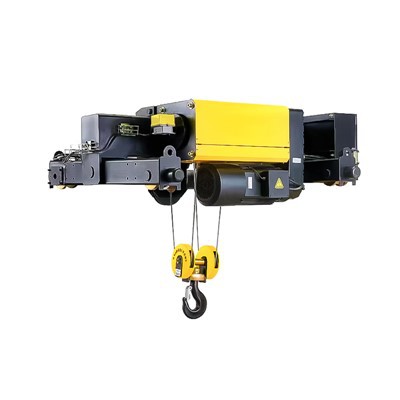
Hey there! As a supplier of European electric hoists, I've seen firsthand the importance of ensuring these machines run smoothly. Whether you're using them in a factory, warehouse, or any other industrial setting, a well - functioning electric hoist can make your operations a whole lot easier. In this blog, I'll share some tips on how to keep your European electric hoist in top - notch condition.
1. Regular Inspections
One of the most crucial steps in ensuring the smooth operation of a European electric hoist is regular inspections. You can't just set it up and forget about it. I recommend doing a visual inspection before each use. Check for any visible signs of wear and tear, like frayed ropes or loose bolts. Look at the hooks to make sure they're not cracked or bent. If you spot any issues during this quick pre - use check, don't operate the hoist until you've fixed the problem.
On a more in - depth level, you should conduct a comprehensive inspection at least once a month. This involves checking the electrical components, such as the wiring and switches. Make sure there are no exposed wires that could cause a short circuit. Test the limit switches to ensure they're working correctly. These switches are designed to stop the hoist at the upper and lower limits, preventing over - travel and potential accidents.
For the mechanical parts, examine the gears, bearings, and brakes. The gears should be properly lubricated, and there shouldn't be any excessive play or noise when they're in operation. The bearings should rotate smoothly, and the brakes need to be able to hold the load securely. If you're not confident in doing these inspections yourself, it's a good idea to hire a professional technician.
2. Proper Lubrication
Lubrication is key to the smooth operation of a European electric hoist. The moving parts, like the gears, bearings, and pulleys, need to be well - lubricated to reduce friction and wear. Different parts may require different types of lubricants, so make sure you're using the right one.
For example, the gears usually need a high - viscosity lubricant that can withstand the high pressures and loads. You can use a gear oil specifically designed for industrial applications. When applying the lubricant, make sure you cover all the teeth of the gears evenly.
The bearings, on the other hand, often require a grease lubricant. Grease helps to seal the bearings and keep out dirt and moisture. Apply the grease according to the manufacturer's recommendations. Over - lubricating can be just as bad as under - lubricating, as it can cause the parts to overheat and attract more dirt.
3. Operator Training
No matter how good the hoist is, if the operator doesn't know how to use it properly, it's going to cause problems. That's why proper operator training is essential. All operators should be trained on the specific model of the European electric hoist they'll be using.
The training should cover the basic operation of the hoist, including how to start, stop, and control the lifting and lowering of the load. Operators need to understand the load capacity of the hoist and never exceed it. They should also know how to handle different types of loads safely, such as unevenly balanced loads.
In addition to the practical operation, operators should be trained on safety procedures. This includes wearing the appropriate personal protective equipment (PPE), like hard hats and safety glasses. They should know how to perform pre - use inspections and what to do in case of an emergency. Regular refresher courses should be provided to keep the operators up - to - date with the latest safety standards and best practices.
4. Load Management
Managing the load is another important aspect of ensuring the smooth operation of a European electric hoist. As I mentioned earlier, never exceed the load capacity of the hoist. Overloading can cause serious damage to the hoist, including broken gears, damaged ropes, and even structural failure.
When lifting a load, make sure it's properly balanced. An unbalanced load can put extra stress on one side of the hoist, leading to uneven wear and potential accidents. Use slings or other lifting devices to secure the load and distribute the weight evenly.
Also, be careful when handling loads in different environments. For example, if you're working in a dusty or dirty area, the load may accumulate debris, which can affect the operation of the hoist. Clean the load before lifting it if possible.


5. Electrical Safety
Since European electric hoists rely on electricity to operate, electrical safety is of utmost importance. Make sure the hoist is connected to a proper electrical supply. The voltage and frequency should match the specifications of the hoist. Use a dedicated circuit for the hoist to avoid overloading the electrical system.
Inspect the electrical cords and plugs regularly for any signs of damage. If you notice any frayed cords or loose connections, replace them immediately. It's also a good idea to install a ground fault circuit interrupter (GFCI) to protect against electrical shocks.
6. Storage and Maintenance
When the hoist is not in use, it should be stored properly. Keep it in a dry and clean environment to prevent rust and corrosion. If possible, cover the hoist with a protective cover to keep out dust and moisture.
Regular maintenance is also necessary to keep the hoist in good condition. This includes cleaning the hoist after each use to remove any dirt, debris, or grease. Check the fasteners periodically to make sure they're tight. If any parts are worn out, replace them with genuine parts from the manufacturer. Using non - genuine parts can void the warranty and may not be compatible with the hoist, leading to performance issues.
7. Choosing the Right Hoist
If you're in the market for a European electric hoist, choosing the right one is crucial. Consider the load capacity, lifting height, and the type of application you'll be using it for. For example, if you need to lift heavy loads over long distances, a European Type Double Girder Wire Rope Hoist might be a good choice. It's designed to handle larger loads and has a more robust structure.
If you have a smaller workspace and need a more compact hoist, a Wire Rope Hoist European Type could be suitable. It offers a good balance between performance and space requirements.
For general - purpose lifting tasks, a European Electric Wire Rope Hoist is a popular option. It's reliable and easy to operate.
In conclusion, ensuring the smooth operation of a European electric hoist requires a combination of regular inspections, proper lubrication, operator training, load management, electrical safety, and good storage and maintenance practices. By following these tips, you can extend the lifespan of your hoist and keep your operations running smoothly.
If you're interested in purchasing a European electric hoist or have any questions about our products, feel free to reach out to us for a detailed discussion. We're here to help you find the best solution for your needs.
References
- Industrial Hoist Safety Manuals
- European Electric Hoist Manufacturer's Guides
- Occupational Safety and Health Administration (OSHA) Standards for Hoist Operations