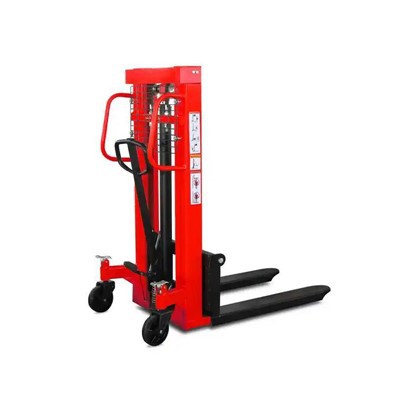
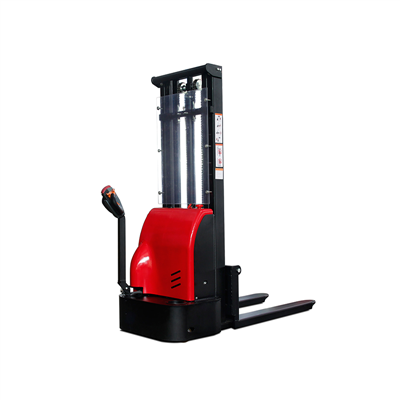
As a supplier of electric stage hoists, I've witnessed firsthand the remarkable advancements in this technology. Electric stage hoists have revolutionized the entertainment industry, providing a safe, efficient, and precise way to lift and position heavy equipment on stage. However, like any technology, electric stage hoists have their limitations. Understanding these limitations is crucial for anyone involved in the planning and execution of stage productions.
1. Load Capacity Limitations
One of the most significant limitations of electric stage hoists is their load capacity. Each hoist is designed to handle a specific maximum weight, and exceeding this limit can lead to serious safety hazards. For example, if a hoist is rated for a maximum load of 500 kilograms and is used to lift a 600 - kilogram lighting rig, it may cause the hoist to malfunction, the chain or cable to break, or the entire structure to collapse.
When planning a stage production, it's essential to carefully calculate the weight of all the equipment that will be lifted. This includes not only the obvious items like lighting fixtures and sound equipment but also any rigging hardware, cables, and brackets. Our Electric Hoist For Event Lighting is designed to handle a range of loads, but it's always important to double - check the specifications to ensure that the hoist can safely lift the intended equipment.
2. Speed and Precision
While electric stage hoists are generally fast and precise, there are limits to their speed and the level of precision they can achieve. The speed of a hoist is often determined by its motor power and the design of the gearing system. In some cases, a high - speed hoist may be required to quickly change the stage setup between acts, but increasing the speed can also reduce the level of control and precision.
Precision is also affected by factors such as the quality of the components, the smoothness of the chain or cable movement, and the accuracy of the control system. Even the best - designed hoists may experience minor variations in their movement, which can be a problem when precise positioning is required. For instance, in a ballet performance where the scenery needs to be moved in a very precise and delicate manner, these small variations can be noticeable. Our D8 Plus Electric Hoist For Concert Stage offers a good balance between speed and precision, but it's important to understand that there are still limitations in achieving absolute perfection.
3. Environmental Limitations
Electric stage hoists are sensitive to their operating environment. Extreme temperatures, humidity, and dust can all have a negative impact on the performance and lifespan of the hoist. In high - humidity environments, the metal components of the hoist, such as the chain or cable, may rust, which can weaken them and lead to failure. Similarly, in very hot or cold temperatures, the lubricants used in the hoist's moving parts may thicken or thin out, affecting the smoothness of the operation.
Dust and debris can also cause problems. If dust enters the motor or the control system, it can cause overheating or electrical malfunctions. In outdoor stage productions, where the hoists are exposed to the elements, these environmental factors need to be carefully considered. Regular maintenance and proper storage are essential to mitigate the effects of these environmental limitations.
4. Installation and Space Requirements
Installing an electric stage hoist is not a simple task. It requires a suitable mounting structure that can support the weight of the hoist and the load it will carry. The installation process may also involve electrical wiring, which must be done in accordance with safety regulations. Incorrect installation can lead to instability, noise, and even safety risks.
In addition, electric stage hoists require a certain amount of space for proper operation. There needs to be enough clearance above and around the hoist to allow for the full range of movement of the chain or cable. In some smaller venues, it may be difficult to find a suitable location for the hoist due to space constraints.
5. Maintenance and Lifespan
Like any mechanical equipment, electric stage hoists require regular maintenance to ensure their safe and reliable operation. This includes lubricating the moving parts, inspecting the chain or cable for wear and tear, and checking the electrical connections. Failure to perform regular maintenance can lead to premature breakdowns and costly repairs.
The lifespan of an electric stage hoist is also limited. Over time, the components will naturally wear out, and the hoist may become less efficient or less reliable. The frequency of use, the operating environment, and the quality of maintenance all affect the lifespan of the hoist. For example, a hoist that is used frequently in a harsh environment will have a shorter lifespan compared to one that is used sparingly in a clean and controlled environment.
6. Compatibility with Other Equipment
In a modern stage production, electric stage hoists often need to work in conjunction with other equipment, such as lighting consoles, sound systems, and automation systems. Ensuring compatibility between the hoist and other equipment can be a challenge. Different manufacturers may use different communication protocols, which can make it difficult to integrate the hoist into a larger control system.
For example, if the hoist's control system uses a proprietary communication protocol and the lighting console uses a different one, it may be necessary to use additional interface devices to make them work together. This can add complexity and cost to the setup.
7. Cost
The cost of electric stage hoists can be a significant limitation, especially for smaller production companies or community theaters. High - quality hoists with advanced features and high load capacities can be quite expensive. In addition to the initial purchase cost, there are also ongoing costs such as maintenance, repair, and replacement of parts.
When considering the cost, it's important to balance the need for quality and performance with the available budget. Our company offers a range of electric stage hoists at different price points to meet the needs of various customers.


Conclusion
Despite these limitations, electric stage hoists remain an indispensable tool in the entertainment industry. They offer a level of safety, efficiency, and control that is difficult to achieve with other types of lifting equipment. As a supplier, we are constantly working to improve our products and overcome these limitations.
If you are in the market for an electric stage hoist, or if you have any questions about our products, we encourage you to contact us for a detailed discussion. We can help you select the right hoist for your specific needs, taking into account all the factors mentioned above. Our team of experts is ready to assist you in making an informed decision and ensuring a successful stage production.
References
- Industry standards for electric stage hoist safety and performance.
- Manufacturer's specifications and technical documentation for electric stage hoists.
- Case studies and research on the use of electric stage hoists in various stage productions.