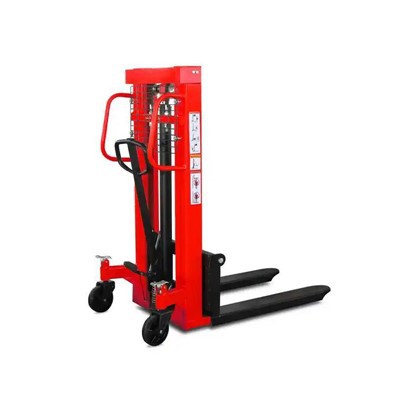
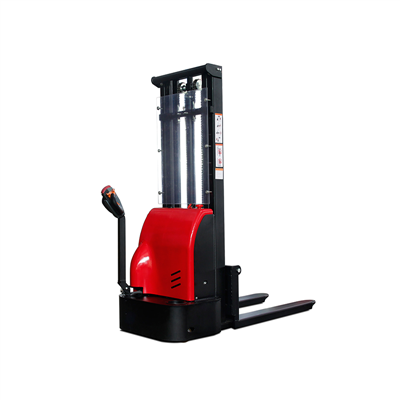
Moving a Manual Stacker forklift might seem like a daunting task at first, but with the right know - how, it can be a smooth process. As a Manual Stacker forklift supplier, I've seen firsthand the importance of proper handling and movement of these machines. In this blog, I'll share some tips and tricks on how to move a Manual Stacker forklift safely and efficiently.
Pre - move Checks
Before you even think about moving the Manual Stacker forklift, it's crucial to conduct a thorough pre - move check. First off, take a look at the forks. Make sure they're not bent or damaged. A bent fork can affect the stability of the load and make the forklift harder to maneuver. You can easily spot any visible signs of damage by just giving them a good visual inspection.
Next, check the wheels. The wheels of a Manual Stacker forklift are what allow it to move around, so they need to be in top condition. Look for any signs of wear and tear, like flat spots or excessive tread loss. Also, ensure that the wheels are properly aligned. Misaligned wheels can cause the forklift to veer off course while moving.
Inspect the hydraulic system as well. The hydraulic system is responsible for lifting and lowering the forks. Check for any leaks in the hoses or cylinders. A leaky hydraulic system can lead to a loss of lifting power and is also a safety hazard. If you notice any leaks, it's best to get them fixed before attempting to move the forklift.
Positioning the Forklift
Once you've completed the pre - move checks, it's time to position the forklift correctly. When approaching the load, make sure the forks are at the right height. You want the forks to be just low enough to slide under the load easily. If the forks are too high, they won't be able to get under the load properly, and if they're too low, you might scrape the ground.
Back the forklift up slowly until the forks are centered under the load. This will ensure that the load is evenly distributed on the forks. If the load is not centered, it can cause the forklift to become unbalanced, which is extremely dangerous.
Lifting the Load
Now that the forklift is in position, it's time to lift the load. Use the hydraulic pump to raise the forks. Do this slowly and steadily. You don't want to jerk the load up too quickly, as this can cause it to shift and potentially fall off the forks.
As you're lifting the load, keep an eye on the load's stability. If you notice that the load is starting to tilt or shift, stop lifting immediately and adjust the position of the forks or the load itself. Once the load is at the desired height, make sure to lock the hydraulic system to prevent the forks from lowering accidentally.
Moving the Forklift
When it's time to move the forklift with the load, start slowly. Begin by pushing or pulling the forklift gently. If the forklift has a steering mechanism, use it to guide the forklift in the right direction. Make sure to keep both hands on the steering handle for better control.
When turning, take it slow. A sharp turn can cause the load to shift and make the forklift unstable. It's also important to be aware of your surroundings. Look out for any obstacles, like other equipment or people, in your path.
If you're moving the forklift up or down an incline, be extra cautious. When going up an incline, keep the load uphill to prevent it from sliding off the forks. When going down an incline, keep the load downhill. This will help maintain the balance of the forklift.
Lowering the Load
Once you've reached your destination, it's time to lower the load. Use the hydraulic control to slowly lower the forks. Again, do this steadily to avoid any sudden movements that could cause the load to shift.


When the load is almost at the ground, stop and double - check that it's in the right position. Then, continue to lower the forks until the load is resting securely on the ground. After that, carefully drive the forklift out from under the load.
Different Types of Manual Stacker Forklifts
There are various types of Manual Stacker forklifts available, such as the Lift Stackers Mini Forklift and the 1500kg Manual Stacker. Each type has its own unique features and requirements for movement.
The Lift Stackers Mini Forklift is more compact and is great for moving smaller loads in tight spaces. Its smaller size makes it easier to maneuver, but you still need to follow the same safety procedures as with a larger forklift.
The 1500kg Manual Stacker, on the other hand, is designed to handle heavier loads. When moving this type of forklift, you need to be even more careful about load distribution and balance. The extra weight can make the forklift more difficult to control, especially when turning or going up and down inclines.
Safety Tips
Safety should always be your top priority when moving a Manual Stacker forklift. Wear appropriate safety gear, like a hard hat, safety shoes, and high - visibility clothing. This will protect you in case of any accidents.
Never overload the forklift. Each forklift has a maximum load capacity, and exceeding this can lead to serious safety issues, such as the forklift tipping over.
If you're not sure how to move the forklift safely, don't hesitate to ask for help. There are usually training programs available that can teach you the proper techniques for operating and moving a Manual Stacker forklift.
Conclusion
Moving a Manual Stacker forklift requires careful preparation, proper technique, and a focus on safety. By following the steps outlined in this blog, you can ensure that you move your forklift safely and efficiently. Whether you're using a Lift Stackers Mini Forklift or a 1500kg Manual Stacker, the key is to be cautious and aware of your surroundings.
If you're in the market for a Manual Stacker forklift or need more information about our products, feel free to reach out for a purchase negotiation. We're here to help you find the right forklift for your needs and ensure that you get the most out of it.
References
- Industry safety guidelines for manual stacker forklifts
- Manufacturer's manuals for Manual Stacker forklifts