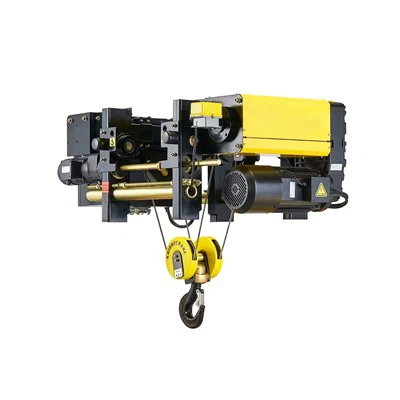
A chain breakage in an electric chain hoist can be a daunting issue, not only disrupting operations but also posing safety risks. As a seasoned Electric Chain Hoist Repair supplier, I've encountered various scenarios of chain breakage and have developed effective strategies to handle them. In this blog, I'll share insights on how to deal with chain breakage during electric chain hoist repair.
Understanding the Causes of Chain Breakage
Before delving into the repair process, it's crucial to understand the common causes of chain breakage. Overloading is one of the primary culprits. When an electric chain hoist is subjected to loads beyond its rated capacity, the chain experiences excessive stress, leading to fatigue and eventual breakage. For instance, using a 2 - ton hoist to lift a 4 - ton load significantly increases the risk of chain failure.
Another cause is wear and tear. Continuous use of the hoist over time causes the chain links to rub against each other and other components, gradually reducing their thickness and strength. Corrosion can also weaken the chain, especially in environments with high humidity or exposure to chemicals.
Improper installation or maintenance can also contribute to chain breakage. If the chain is not properly aligned or tensioned during installation, it can cause uneven stress distribution, leading to premature failure. Additionally, lack of regular lubrication and inspection can allow small issues to escalate into major problems.
Immediate Actions upon Chain Breakage
When a chain breakage occurs, the first step is to ensure the safety of personnel and the surrounding environment. Immediately stop the operation of the hoist and isolate the power source to prevent any accidental start - up. Evacuate the area around the hoist to avoid any potential falling objects or debris.
Next, assess the situation carefully. Determine the extent of the damage, including the location of the break and whether any other components of the hoist have been affected. If the load is still suspended, use appropriate safety measures to secure it. This may involve using additional supports or rigging equipment to prevent the load from falling.
Inspection and Diagnosis
Once the immediate safety concerns have been addressed, conduct a thorough inspection of the chain and the hoist. Start by examining the broken chain links. Look for signs of wear, such as excessive thinning, deformation, or cracks. Check the chain for any signs of corrosion or damage caused by foreign objects.
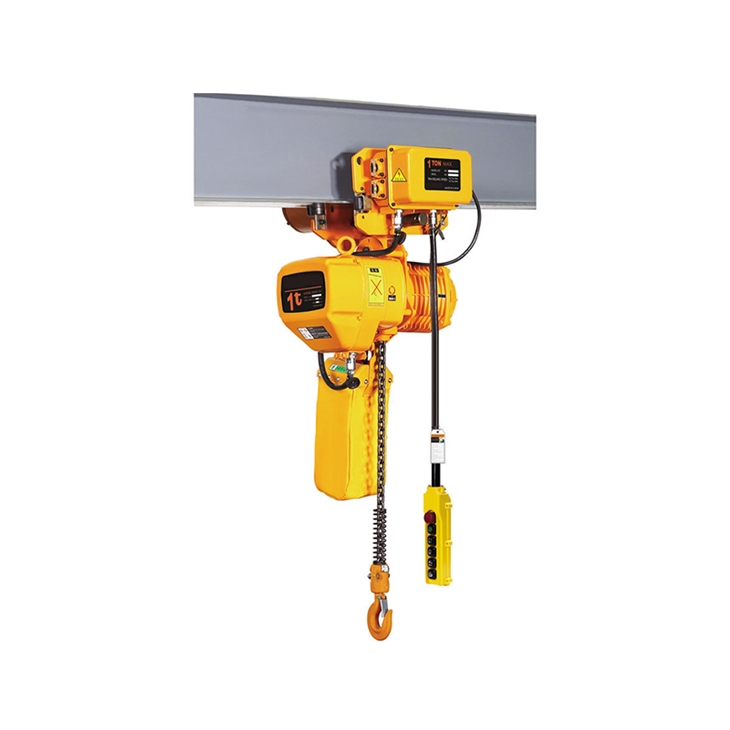
Inspect the other components of the hoist, including the sprockets, gears, and brakes. A damaged sprocket can cause uneven wear on the chain, leading to breakage. Similarly, malfunctioning brakes can put additional stress on the chain during operation.
Use appropriate measuring tools to check the dimensions of the chain and other components. Compare the measurements with the manufacturer's specifications to determine if any parts are out of tolerance. This will help you identify if the chain breakage was due to a manufacturing defect or improper use.
Repair or Replacement?
Based on the inspection results, decide whether to repair or replace the chain. In some cases, if the breakage is minor and the rest of the chain is in good condition, it may be possible to repair the chain by replacing the broken links. However, this should only be done by a qualified technician using the correct replacement parts.
If the chain shows significant wear, corrosion, or damage, it is recommended to replace the entire chain. Using a worn - out chain, even after a minor repair, can still pose a safety risk. When replacing the chain, make sure to use a chain that is compatible with the hoist's specifications. You can find a wide range of suitable chains for different types of hoists on our website, including 4 Ton Electric Chain Hoist, 110 Volt Electric Chain Hoist, and 220V Single Phase Electric Chain Hoist.
Chain Replacement Procedure
If you decide to replace the chain, follow these steps:
- Prepare the necessary tools: Gather tools such as wrenches, pliers, and a chain breaker if required. Make sure you have the correct replacement chain and any associated hardware.
- Remove the old chain: Carefully remove the broken chain from the hoist. This may involve loosening or removing sprockets, guides, and other components. Take note of how the chain is routed through the hoist to ensure proper installation of the new chain.
- Install the new chain: Route the new chain through the hoist in the same way as the old chain. Make sure the chain is properly seated on the sprockets and guides. Connect the ends of the chain using the appropriate connectors or fasteners.
- Adjust the tension: Once the chain is installed, adjust the tension according to the manufacturer's specifications. Proper chain tension is crucial for the smooth operation of the hoist and to prevent premature wear.
- Test the hoist: After the chain replacement, conduct a thorough test of the hoist. Operate the hoist through its full range of motion, lifting and lowering a light load first to check for any abnormal noises or movements. Gradually increase the load to the rated capacity of the hoist and monitor its performance.
Preventive Measures
To avoid future chain breakage incidents, implement preventive maintenance measures. Regularly inspect the chain for signs of wear, corrosion, and damage. Lubricate the chain as recommended by the manufacturer to reduce friction and wear.
Train your employees on the proper use and operation of the electric chain hoist. Make sure they are aware of the hoist's rated capacity and are trained to recognize the signs of overloading. Encourage them to report any unusual noises, vibrations, or other issues immediately.
Keep a record of all maintenance and inspection activities. This will help you track the history of the hoist and identify any patterns or potential problems.
Supplier Support and Contact
As an Electric Chain Hoist Repair supplier, we are committed to providing high - quality products and professional repair services. If you encounter any issues with chain breakage or other problems with your electric chain hoist, feel free to reach out to us. We have a team of experienced technicians who can provide on - site repair services, replacement parts, and technical support. Whether you need a new chain for your 4 Ton Electric Chain Hoist or assistance in repairing your 110 Volt Electric Chain Hoist, we are here to help. Contact us for more information and to discuss your specific requirements.
References
- Crane Manufacturers Association of America. (20XX). Electric Chain Hoist Safety and Maintenance Guidelines.
- Hoist and Rigging Equipment Standards Handbook. (20XX). Published by an industry - recognized organization.