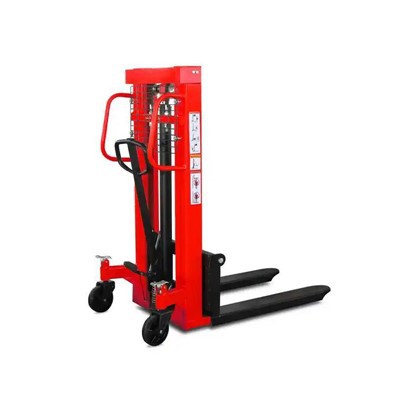
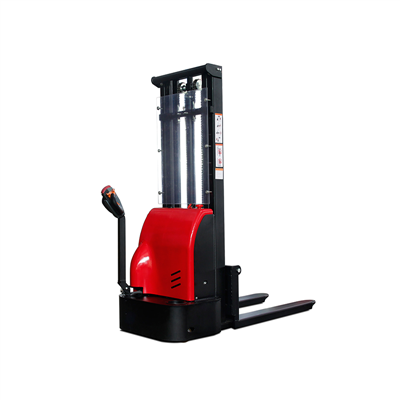
Hey there! As a supplier of Aluminum Manual Stackers, I know how crucial it is to keep the hydraulic system of these stackers in top - notch condition. A well - maintained hydraulic system ensures the smooth operation of your stacker, extends its lifespan, and most importantly, keeps your workplace safe. So, let's dive into how you can check the hydraulic system of an Aluminum Manual Stacker.
1. Visual Inspection
The first step in checking the hydraulic system is a good old - fashioned visual inspection. Start by looking at the hydraulic hoses. These hoses are like the veins of the hydraulic system, carrying the hydraulic fluid from one part to another. Check for any signs of wear and tear, such as cracks, cuts, or bulges. If you spot any of these issues, it's a red flag. A damaged hose can lead to hydraulic fluid leaks, which not only reduce the efficiency of the system but can also be a safety hazard.
Next, take a look at the hydraulic cylinder. This is the part that does the heavy lifting, quite literally. Check for any signs of leakage around the seals. A small amount of seepage might seem harmless, but it can indicate that the seals are starting to fail. Over time, this can lead to a significant loss of hydraulic pressure, making it difficult for the stacker to lift heavy loads.
Also, inspect the hydraulic reservoir. This is where the hydraulic fluid is stored. Make sure the fluid level is within the recommended range. If the level is too low, it could mean there's a leak somewhere in the system, or the fluid has been consumed due to normal operation. On the other hand, if the level is too high, it could cause the fluid to overflow when the system is in use.
2. Fluid Quality Check
The quality of the hydraulic fluid is just as important as its quantity. Hydraulic fluid not only transfers power but also lubricates the moving parts of the system and helps to dissipate heat. Over time, the fluid can become contaminated with dirt, debris, and moisture.
To check the fluid quality, you can use a simple dipstick or a sample tube. Take a sample of the fluid and examine its color and consistency. Fresh hydraulic fluid is usually clear and has a light amber color. If the fluid looks dark, cloudy, or has a milky appearance, it might be contaminated. A milky appearance could indicate the presence of water, which can cause corrosion and damage to the internal components of the system.


You can also check for the presence of debris in the fluid. Pour a small amount of the fluid onto a clean white surface and look for any particles or sediment. If you find a significant amount of debris, it's time to change the fluid.
3. Pressure Test
A pressure test is an essential part of checking the hydraulic system. This test helps you to determine if the system is generating and maintaining the correct amount of pressure. You'll need a pressure gauge for this test, which can be easily attached to the hydraulic system at a designated test port.
Before starting the test, make sure the stacker is on a level surface and the forks are lowered to the ground. Then, start the hydraulic pump and slowly raise the forks to a few inches off the ground. Observe the pressure gauge reading. The pressure should reach the manufacturer's recommended level within a short period.
If the pressure is too low, it could mean there's a problem with the pump, a leak in the system, or a blockage in the hydraulic lines. On the other hand, if the pressure is too high, it could put excessive stress on the components, leading to premature wear and failure.
4. Operation Test
The final step in checking the hydraulic system is an operation test. This involves using the stacker in a normal working environment to see if it operates smoothly. Start by raising and lowering the forks several times. Pay attention to any unusual noises, such as grinding, squealing, or knocking. These noises could indicate a problem with the hydraulic pump, valves, or other components.
Also, check the speed and smoothness of the fork movement. If the forks move too slowly or jerkily, it could be a sign of a hydraulic problem. For example, a slow - moving fork could be due to low hydraulic pressure, while a jerky movement could be caused by air in the hydraulic system.
Conclusion
Checking the hydraulic system of an Aluminum Manual Stacker is not a complicated process, but it does require some attention to detail. By following these steps regularly, you can ensure that your stacker operates safely and efficiently.
If you're in the market for a new Aluminum Manual Stacker, we've got some great options for you. Check out our Hydraulic Manual Stacker forklift, 1500kg Manual Stacker, and 500kg Manual Hand Pallet Stacker.
If you have any questions or want to discuss your specific requirements, don't hesitate to reach out. We're here to help you make the best choice for your business.
References
- "Hydraulic Systems Handbook" by E. O. Doebelin
- Manufacturer's manuals for Aluminum Manual Stackers