


In the dynamic world of sports equipment warehousing, efficiency, safety, and cost - effectiveness are of utmost importance. One piece of equipment that has been gaining traction in recent years is the full electric stacker. As a full electric stacker supplier, I am often asked whether a full electric stacker can be used in a sports equipment warehouse. In this blog, I will delve into the suitability of full electric stackers for sports equipment warehouses, exploring their advantages, limitations, and key considerations.
Advantages of Using Full Electric Stackers in Sports Equipment Warehouses
1. Efficiency
Sports equipment warehouses deal with a wide variety of items, from small balls and accessories to large and bulky items like exercise machines and goalposts. Full electric stackers are designed to handle different load capacities and lifting heights, which makes them extremely versatile. For instance, our Full Electric Stacker 3 Meter can lift loads up to a significant height, allowing for efficient use of vertical space in the warehouse. This means that more sports equipment can be stored in a smaller footprint, optimizing the warehouse layout and reducing the need for expansion.
Moreover, electric stackers are known for their quick acceleration and smooth operation. They can move loads rapidly from one location to another, which is crucial in a busy sports equipment warehouse where there is a constant flow of incoming and outgoing goods. This increased speed of operation translates into higher productivity and faster order fulfillment, giving sports equipment businesses a competitive edge in the market.
2. Safety
Safety is a top priority in any warehouse environment, and sports equipment warehouses are no exception. Full electric stackers come with a range of safety features that make them a reliable choice. For example, most electric stackers are equipped with anti - rollback systems on ramps, which prevent the stacker from rolling backwards when stopped on an incline. This is particularly important when moving heavy sports equipment up and down ramps.

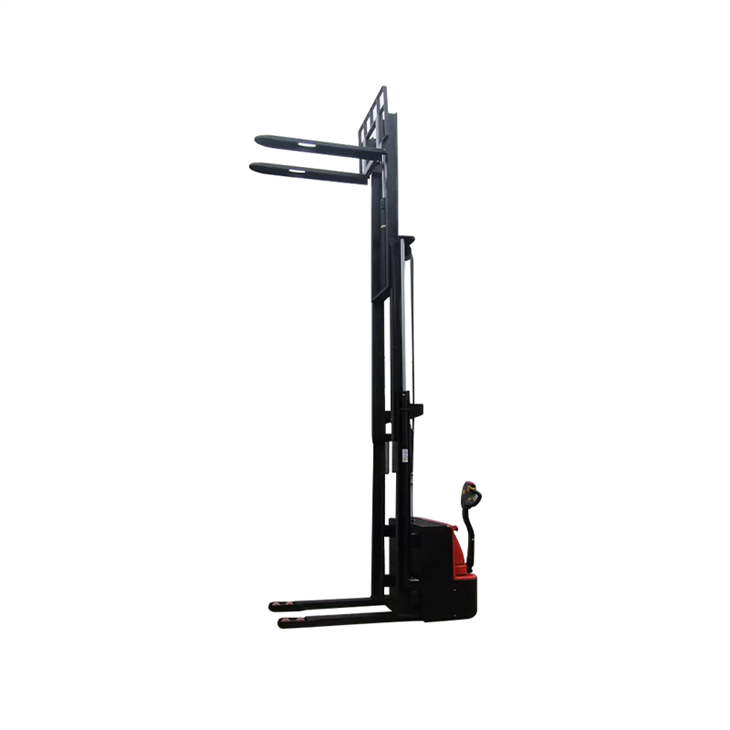
In addition, electric stackers have a lower center of gravity compared to some other types of lifting equipment, which reduces the risk of tipping over. The controls of electric stackers are also designed to be intuitive and easy to use, minimizing the chances of operator error. This is beneficial in a sports equipment warehouse where employees may need to be trained quickly to handle the equipment.
3. Environmental Friendliness
In today's world, there is a growing emphasis on environmental sustainability. Full electric stackers are an eco - friendly alternative to traditional diesel or gasoline - powered stackers. They produce zero emissions during operation, which helps to improve the air quality inside the warehouse. This is not only better for the health of warehouse employees but also aligns with the environmental goals of many sports equipment companies, which often strive to be more sustainable in their operations.
Furthermore, electric stackers are generally quieter than their fuel - powered counterparts. This reduces noise pollution in the warehouse, creating a more pleasant working environment for employees and minimizing the impact on neighboring areas.
4. Cost - Effectiveness
Although the initial investment in a full electric stacker may be higher than some manual or semi - electric options, the long - term cost savings are significant. Electric stackers have lower operating costs as they do not require fuel, and the maintenance requirements are relatively simple. There is no need for oil changes, air filter replacements, or exhaust system maintenance as is the case with diesel or gasoline - powered equipment.
The energy efficiency of electric stackers also means that they consume less power over time, resulting in lower electricity bills. In a sports equipment warehouse where the stacker may be in operation for long hours each day, these cost savings can add up quickly, making the full electric stacker a cost - effective choice in the long run.
Limitations of Full Electric Stackers in Sports Equipment Warehouses
1. Battery Life
One of the main limitations of full electric stackers is their battery life. If the stacker is used continuously for long periods without sufficient charging time, the battery may run out, causing downtime. In a busy sports equipment warehouse where the stacker is in constant use, this can be a significant issue. However, modern electric stackers are equipped with advanced battery management systems that can help to extend the battery life. For example, some stackers have regenerative braking systems that convert the energy generated during braking back into electrical energy, which is then stored in the battery.
2. Load Capacity
While full electric stackers can handle a wide range of load capacities, there may be limitations when it comes to extremely heavy sports equipment. Some large exercise machines or heavy - duty goalposts may exceed the maximum load capacity of certain electric stackers. In such cases, it may be necessary to use a more heavy - duty lifting solution, such as a forklift. However, for the majority of sports equipment items, the load capacity of most electric stackers is more than sufficient.
Key Considerations When Using Full Electric Stackers in Sports Equipment Warehouses
1. Warehouse Layout
Before purchasing a full electric stacker for a sports equipment warehouse, it is important to consider the layout of the warehouse. The aisles in the warehouse should be wide enough to accommodate the stacker and allow for easy maneuverability. If the aisles are too narrow, the stacker may not be able to operate efficiently, and there is an increased risk of collisions with other equipment or stored items.
2. Operator Training
Proper operator training is essential for the safe and efficient use of full electric stackers. Operators should be trained on how to operate the stacker, including how to handle different types of sports equipment, how to use the safety features, and how to perform basic maintenance tasks. Regular refresher courses should also be provided to ensure that operators are up - to - date with the latest safety procedures and operating techniques.
3. Compatibility with Sports Equipment
It is important to ensure that the full electric stacker is compatible with the types of sports equipment being handled. For example, if the warehouse stores a lot of long and narrow items like hockey sticks or ski poles, the stacker should be equipped with appropriate attachments or forks to handle these items safely. Similarly, if the sports equipment is fragile, the stacker should be able to handle it gently without causing damage.
Conclusion
In conclusion, a full electric stacker can be an excellent choice for a sports equipment warehouse. The advantages of efficiency, safety, environmental friendliness, and cost - effectiveness outweigh the limitations in most cases. However, it is important to carefully consider the specific needs of the warehouse, such as battery life, load capacity, warehouse layout, operator training, and compatibility with sports equipment.
As a full electric stacker supplier, we offer a wide range of Full Electric Stacker For Sale and Electric Stacker For Sale options to meet the diverse requirements of sports equipment warehouses. If you are interested in learning more about how our full electric stackers can benefit your sports equipment warehouse, please feel free to contact us for a detailed consultation and procurement discussion.
References
- Industrial Truck Association. (2022). Safety Standards for Electric Forklifts and Stackers.
- Warehouse Management Best Practices Guide. Industry Insights Inc., 2023.
- Electric Vehicle Technology in Material Handling Equipment. Journal of Sustainable Logistics, Vol. 15, 2022.


