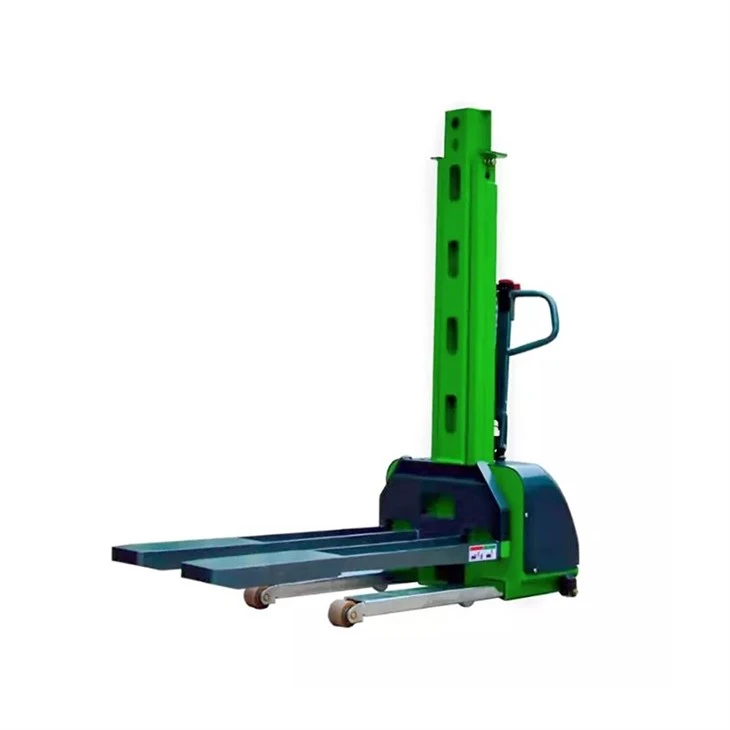
When it comes to operating a semi - electric stacker, the floor surface plays a crucial role in ensuring both the safety of the equipment and the efficiency of the material handling process. As a semi - electric stacker supplier, I've seen firsthand how the floor conditions can impact the performance of these machines. In this blog, I'll delve into the requirements for the floor surface when using a semi - electric stacker.
Flatness
One of the most fundamental requirements for the floor surface is flatness. A semi - electric stacker relies on a stable base to operate smoothly. If the floor has significant unevenness, it can lead to a variety of problems. For instance, when the stacker is lifting a load, an uneven floor can cause the forks to tilt, which may result in the load being unstable and potentially falling off. This not only poses a risk to the operator but also can damage the goods being handled.
In general, the maximum allowable deviation in floor flatness should be within a certain range. For most semi - electric stackers, a deviation of no more than 5mm per meter is recommended. This ensures that the stacker can move and lift loads without experiencing excessive stress on its components. If the floor is too uneven, it may be necessary to level the floor before using the stacker. This can be done through methods such as grinding, patching, or using self - leveling compounds.
Load - Bearing Capacity
Another critical factor is the load - bearing capacity of the floor. Semi - electric stackers are designed to lift and transport heavy loads. The weight of the stacker itself, combined with the weight of the load it is carrying, can put a significant amount of stress on the floor. Therefore, the floor must be able to support this weight without cracking or deforming.
Before using a semi - electric stacker, it's essential to determine the maximum load capacity of the floor. This can typically be found in the building's structural plans or by consulting a structural engineer. As a general rule, the floor should be able to support at least the maximum rated load of the stacker plus a safety margin. For example, if a semi - electric stacker has a maximum load capacity of 1000kg, the floor should be able to support a load of at least 1200kg to account for dynamic forces and potential overloads.
Surface Material
The surface material of the floor also matters. Different types of floor materials have different properties that can affect the performance of the semi - electric stacker.
Concrete Floors
Concrete floors are a common choice in industrial settings. They are generally strong and durable, with good load - bearing capacity. However, concrete floors can be rough, which may increase the wear and tear on the stacker's wheels. To mitigate this, it's advisable to ensure that the concrete floor is properly finished. A smooth finish can reduce friction and extend the lifespan of the stacker's wheels.
Epoxy - Coated Floors
Epoxy - coated floors offer a smooth and durable surface. They are resistant to chemicals and abrasion, which makes them suitable for environments where the stacker may come into contact with various substances. However, epoxy - coated floors can be slippery when wet. Therefore, it's important to take precautions, such as using anti - slip additives or providing warning signs in areas where the floor may get wet.
Tile Floors
Tile floors can be used in some industrial applications, but they need to be carefully selected. Porcelain tiles are generally more durable than ceramic tiles and can withstand the weight of a semi - electric stacker. However, tile floors may have grout lines, which can cause the stacker to jolt or vibrate as it moves over them. It's important to ensure that the tiles are properly installed and the grout lines are even to minimize these issues.

Cleanliness
A clean floor is essential for the proper operation of a semi - electric stacker. Debris, dust, and other foreign objects on the floor can cause problems. For example, small particles can get stuck in the stacker's wheels, which can lead to increased friction and premature wear. Larger objects can pose a tripping hazard for the operator and may also cause the stacker to malfunction if it runs over them.
Regular cleaning of the floor is necessary. This can be done using a broom, vacuum cleaner, or floor scrubber. In addition, it's important to remove any spills or stains promptly to prevent them from hardening and causing damage to the floor surface.
Surface Friction
The surface friction of the floor is also an important consideration. Enough friction is needed to ensure that the stacker can move safely without slipping. If the floor is too slippery, the stacker may lose traction, especially when starting or stopping. This can be dangerous, as it can cause the stacker to skid and potentially collide with other objects or people.
On the other hand, if the floor has too much friction, it can make it difficult for the stacker to move, which can increase the energy consumption and wear on the stacker's motor. Therefore, it's important to find a balance. Some floor materials, such as rubber mats, can be used to adjust the surface friction if necessary.
Floor Markings
Proper floor markings can enhance the safety and efficiency of using a semi - electric stacker. Markings can indicate the path for the stacker to follow, the location of loading and unloading areas, and the boundaries of restricted zones. This helps the operator to navigate the stacker more easily and reduces the risk of collisions.
Floor markings should be clear, durable, and visible. They can be made using paint, tape, or other materials. It's important to ensure that the markings are maintained regularly to keep them in good condition.
Conclusion
In conclusion, the floor surface requirements for using a semi - electric stacker are multifaceted. Flatness, load - bearing capacity, surface material, cleanliness, surface friction, and floor markings all play important roles in ensuring the safe and efficient operation of the stacker. As a semi - electric stacker supplier, I recommend that customers carefully assess the floor conditions before using our products.
If you're in the market for a semi - electric stacker, we offer a wide range of high - quality options. You can check out our Semi Electric Self Loading Forklift Stacker, Semi Automatic Electric Stacker Pallet LIfter, Semi Electric Stacker Lithium Ion, 500kg Semi Electric Pallet Self Lifting Stacker 1.3m Lift Height Lithium Battery, and Semi Electric Pallet Self Lifting Stacker.
If you have any questions or are interested in purchasing a semi - electric stacker, feel free to reach out to us for a detailed discussion. We're here to help you find the best solution for your material handling needs.
References
- Industrial Material Handling Equipment Standards.
- Floor Surface Design and Maintenance Guidelines for Industrial Facilities.