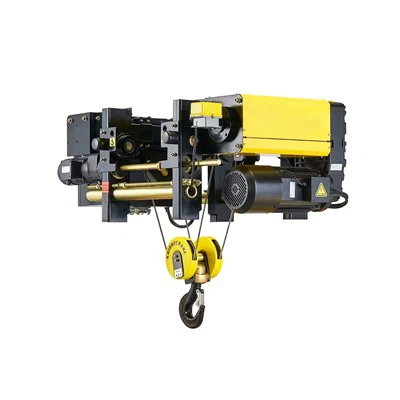
Hey there! As a supplier of stage chain hoists, I often get asked about the difference between single - speed and multi - speed stage chain hoists. It's a great question, and understanding these differences can really help you make the right choice for your stage setup. So, let's dive right in!
Basic Definitions
First off, let's clarify what we're talking about. A single - speed stage chain hoist is exactly what it sounds like—it operates at one fixed speed. You turn it on, and it'll lift or lower your load at a constant pace. On the other hand, a multi - speed stage chain hoist gives you the flexibility to choose from multiple operating speeds. This can be super handy in different stage scenarios.
Speed and Flexibility
The most obvious difference between the two is speed. With a single - speed hoist, you've got a set speed that's designed to handle the average load and lifting requirements. It's simple and straightforward. For example, if you're using it to lift some light props on a small stage, a single - speed hoist might do the job just fine. You know exactly how long it'll take to get the prop up or down, and there's not much to think about.
But when it comes to more complex stage productions, a multi - speed hoist really shines. Let's say you're working on a big - budget musical. There are times when you need to quickly move large scenery pieces into place during a scene change. You can crank up the speed on your multi - speed hoist to get the job done in a hurry. And then, when you're doing delicate work like positioning a chandelier or a small decorative element, you can slow it down for precise control. It's like having a toolbox with multiple tools instead of just one.
Precision and Control
Precision is another area where these two types of hoists differ. Single - speed hoists are generally less precise when it comes to positioning. Since they operate at a fixed speed, it can be a bit tricky to stop the load exactly where you want it. You might end up overshooting or undershooting the mark, especially if you're dealing with a heavy load.
Multi - speed hoists, however, offer much better precision. The ability to slow down the hoist gives you more time to react and stop the load at the perfect spot. This is crucial in stage productions where everything has to be in the right place at the right time. For instance, in a theater production where the actors are performing on a moving platform, the multi - speed hoist can be adjusted to ensure the platform moves smoothly and stops precisely at the required positions.
Load Capacity and Performance
Load capacity is also an important factor. Single - speed hoists are typically designed for lighter loads. They're great for small - scale stage setups where you're not dealing with extremely heavy equipment. If you try to overload a single - speed hoist, it can put a lot of strain on the motor and the chain, which can lead to premature wear and tear or even mechanical failures.


Multi - speed hoists, on the other hand, can handle a wider range of loads. They're built with more powerful motors and stronger chains to accommodate heavier items. Whether you're lifting a large sound system or a complex lighting rig, a multi - speed hoist can usually get the job done. However, it's still important to make sure you're not exceeding the rated load capacity of the hoist.
Cost Considerations
Cost is always a factor when you're making a purchasing decision. Single - speed stage chain hoists are generally more affordable. They have a simpler design and fewer components, which means they're cheaper to manufacture and, in turn, cheaper to buy. If you're on a tight budget and your stage requirements are relatively basic, a single - speed hoist might be the way to go.
Multi - speed hoists, as you might expect, are more expensive. The additional features and capabilities come at a cost. But if you're running a professional stage production company or a large venue, the investment in a multi - speed hoist can pay off in the long run. The increased flexibility, precision, and load capacity can lead to better - quality productions and fewer headaches down the road.
When to Choose a Single - Speed Hoist
So, when should you choose a single - speed hoist? Well, if you're a small community theater or a school drama club with limited resources, a single - speed hoist can be a great option. You're probably not dealing with very heavy loads or complex stage setups, so a simple and affordable hoist will meet your needs. Also, if you're just starting out and learning the ropes of stage rigging, a single - speed hoist can be a good way to get familiar with the basics.
When to Choose a Multi - Speed Hoist
On the flip side, if you're part of a professional entertainment company, a large concert venue, or a high - end theater, a multi - speed hoist is a must - have. The ability to adjust the speed and have precise control over your loads is essential for creating high - quality productions. You'll be able to handle a wider variety of tasks and ensure that everything runs smoothly during performances.
Our Product Offerings
As a stage chain hoist supplier, we offer a range of both single - speed and multi - speed hoists to meet your specific needs. For those interested in our electric hoist options, you can check out our 1 Ton Dy Stage Electric Hoist. It's a great choice for medium - sized loads and offers reliable performance.
If you're looking for more comprehensive lifting stage equipment, our Electric Hoist Lifting Stage Equipment has everything you need to set up a professional - grade stage rigging system. And for those in the entertainment industry, our Entertainment Chain Hoist Stage Equipmet is designed to meet the unique demands of stage productions.
Conclusion
In conclusion, the choice between a single - speed and a multi - speed stage chain hoist depends on your specific requirements, budget, and the scale of your stage productions. Single - speed hoists are simple, affordable, and suitable for basic applications, while multi - speed hoists offer more flexibility, precision, and load - handling capabilities for complex stage setups.
If you're still not sure which type of hoist is right for you, don't hesitate to get in touch with us. We're here to help you make the best decision for your stage needs. Whether you're a small - time theater group or a large - scale entertainment company, we've got the products and expertise to support you.
References
- Hoist Manufacturer's Manuals
- Industry Standards for Stage Rigging Equipment