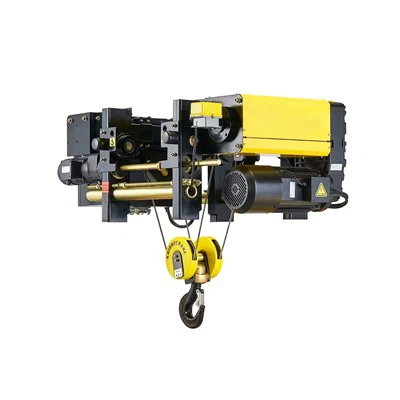
In the bustling world of material handling, manual stacker forklifts have long been a staple for businesses of all sizes. As a dedicated supplier of these versatile machines, I've witnessed firsthand their widespread use in warehouses, distribution centers, and various industrial settings. However, in an era where environmental consciousness is at the forefront of global discussions, it's essential to examine the environmental impacts of manual stacker forklifts. This blog post aims to delve into the various aspects of these impacts, from manufacturing to operation and disposal, and explore how we can mitigate their effects on the environment.
Manufacturing Process
The journey of a manual stacker forklift begins with its manufacturing process, which involves several stages that can have significant environmental implications. The extraction of raw materials, such as steel and aluminum, is often associated with high energy consumption and environmental degradation. Mining operations can lead to deforestation, soil erosion, and water pollution, while the refining process requires large amounts of energy and generates substantial greenhouse gas emissions.
However, as a responsible supplier, we are committed to sourcing our raw materials from sustainable and ethical suppliers. We work closely with our partners to ensure that the materials used in our manual stacker forklifts are obtained through environmentally friendly practices, such as recycling and responsible mining. By using recycled steel and aluminum, we can significantly reduce the energy consumption and carbon footprint associated with the manufacturing process.
In addition to sourcing sustainable materials, we also strive to optimize our manufacturing processes to minimize waste and energy consumption. Our state-of-the-art production facilities are equipped with advanced technologies and equipment that allow us to produce high-quality manual stacker forklifts with minimal environmental impact. We implement lean manufacturing principles to reduce waste and improve efficiency, and we continuously invest in research and development to find innovative ways to reduce our environmental footprint.
Operation and Energy Consumption
One of the key advantages of manual stacker forklifts is their low energy consumption compared to their electric or hydraulic counterparts. Since they are powered by human effort, manual stacker forklifts do not require electricity or fuel to operate, which means they produce zero emissions during use. This makes them an ideal choice for businesses looking to reduce their carbon footprint and operating costs.
However, it's important to note that the energy required to operate a manual stacker forklift still comes from the user. This means that the physical exertion required to move and lift heavy loads can have an impact on the user's health and well-being. To mitigate this risk, we offer a range of ergonomic features in our manual stacker forklifts, such as adjustable handles, cushioned grips, and smooth-rolling wheels, to make them easier and more comfortable to use.


In addition to reducing the physical strain on the user, our manual stacker forklifts are also designed to be highly efficient and productive. They feature a compact and lightweight design that allows them to maneuver easily in tight spaces, and they are equipped with powerful lifting mechanisms that can handle heavy loads with ease. By using our manual stacker forklifts, businesses can improve their operational efficiency and productivity while reducing their environmental impact.
Maintenance and Repairs
Proper maintenance and repairs are essential to ensure the longevity and performance of manual stacker forklifts. Regular maintenance can help prevent breakdowns and extend the lifespan of the equipment, while timely repairs can minimize downtime and reduce the need for costly replacements. However, the maintenance and repair process can also have an environmental impact, as it often involves the use of chemicals, lubricants, and other consumables.
To minimize the environmental impact of maintenance and repairs, we offer a comprehensive range of maintenance and repair services that are designed to be environmentally friendly. Our technicians are trained to use eco-friendly cleaning agents and lubricants that are biodegradable and non-toxic, and they are equipped with the latest tools and equipment to perform repairs quickly and efficiently. In addition, we offer a recycling program for used parts and components, which allows us to reuse and recycle materials wherever possible.
Disposal and End-of-Life Management
At the end of their useful life, manual stacker forklifts need to be disposed of properly to minimize their environmental impact. Improper disposal can lead to the release of hazardous materials into the environment, such as heavy metals and chemicals, which can contaminate soil, water, and air. To prevent this from happening, we offer a responsible end-of-life management program for our manual stacker forklifts.
Our end-of-life management program includes the collection, disassembly, and recycling of used manual stacker forklifts. We work with certified recycling partners to ensure that the materials used in our manual stacker forklifts are recycled and reused in a responsible and sustainable manner. By recycling our used equipment, we can reduce the demand for new raw materials and minimize the environmental impact of the manufacturing process.
Mitigating the Environmental Impact
As a supplier of manual stacker forklifts, we are committed to minimizing the environmental impact of our products throughout their lifecycle. In addition to the measures outlined above, we also offer a range of sustainable solutions and services to help our customers reduce their environmental footprint.
For example, we offer a range of energy-efficient manual stacker forklifts that are designed to consume less energy and produce fewer emissions. These forklifts feature advanced technologies and design features that allow them to operate more efficiently, such as regenerative braking systems and energy-saving motors. By using our energy-efficient manual stacker forklifts, businesses can reduce their energy consumption and operating costs while minimizing their environmental impact.
In addition to our energy-efficient products, we also offer a range of training and education programs to help our customers use our manual stacker forklifts in a safe and environmentally friendly manner. Our training programs cover topics such as proper operation, maintenance, and safety procedures, and they are designed to help our customers get the most out of their equipment while minimizing their environmental impact.
Conclusion
In conclusion, manual stacker forklifts offer a range of environmental benefits compared to their electric or hydraulic counterparts. They are energy-efficient, produce zero emissions during use, and can be recycled at the end of their useful life. However, it's important to note that the environmental impact of manual stacker forklifts is not limited to their operation. The manufacturing process, maintenance and repairs, and end-of-life management also have an impact on the environment.
As a responsible supplier of manual stacker forklifts, we are committed to minimizing the environmental impact of our products throughout their lifecycle. We source our raw materials from sustainable and ethical suppliers, optimize our manufacturing processes to reduce waste and energy consumption, offer a range of ergonomic features to make our products easier and more comfortable to use, and provide a comprehensive range of maintenance and repair services that are designed to be environmentally friendly. In addition, we offer a range of sustainable solutions and services to help our customers reduce their environmental footprint.
If you're interested in learning more about our manual stacker forklifts and how they can help you reduce your environmental impact, please visit our website at https://www.ab.com. You can also explore our product range, including the 500kg Manual Hand Pallet Stacker, Manual Stacker for 2500kg, and Manual Stackershand Forklift Manual Stacker. We look forward to working with you to find the perfect manual stacker forklift for your business needs.
References
- "Sustainable Manufacturing: An Overview." United Nations Industrial Development Organization.
- "Environmental Impact of Forklifts." Material Handling Industry of America.
- "Recycling and Waste Management." Environmental Protection Agency.