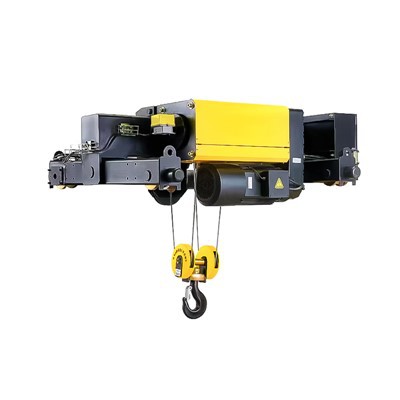
Hey there! As a supplier of stage electric hoists, I've seen firsthand the wide range of models out there, each with its own unique features and benefits. In this blog post, I'm going to break down the differences between different models of stage electric hoists, so you can make an informed decision when it comes to choosing the right one for your needs.
Load Capacity
One of the most significant differences between stage electric hoists is their load capacity. This refers to the maximum weight that the hoist can safely lift. Load capacities can vary widely, from as little as 100 kg to several tons.
For smaller stages or applications where you only need to lift lightweight equipment, a hoist with a lower load capacity, say around 100 - 500 kg, might be sufficient. These hoists are often more compact and lightweight themselves, making them easy to install and move around.
On the other hand, if you're working on a large theater or concert venue where you need to lift heavy lighting rigs, large sets, or other substantial equipment, you'll need a hoist with a higher load capacity. Hoists with capacities of 1 ton or more are designed to handle these heavy-duty tasks.
Speed
Another important factor is the speed at which the hoist can lift and lower the load. Different models offer different lifting speeds, which can range from slow and steady to quite fast.
Slow-speed hoists are great for applications where precision is key. For example, when you're positioning a delicate lighting fixture or a piece of scenery, a slow speed allows you to make small, accurate adjustments.
Fast-speed hoists, on the other hand, are useful when you need to quickly move equipment up or down. This can be beneficial during a quick scene change in a play or a concert, where time is of the essence.
Safety Features
Safety is always a top priority when it comes to stage electric hoists. Different models come with various safety features to protect both the equipment and the people working around it.
One common safety feature is the Stage Electric Hoist With Safety Brake. This type of hoist is equipped with a brake that engages automatically in case of a power failure or other emergency, preventing the load from falling.


Some hoists also have overload protection, which stops the hoist from operating if the load exceeds its rated capacity. This helps prevent damage to the hoist and reduces the risk of accidents.
Noise Level
The noise level of a stage electric hoist can also be a crucial consideration, especially in environments where quiet operation is required.
Stage Hoist With Quiet Operation models are designed to minimize noise during operation. These hoists use advanced motor technology and sound-dampening materials to keep the noise to a minimum. This is particularly important in theaters, recording studios, or other venues where excessive noise could disrupt performances or recordings.
Installation and Maintenance
The ease of installation and maintenance can vary between different models of stage electric hoists.
Some hoists, like the Theater Hoist For Quick Installation, are designed for easy and fast installation. They often come with pre-assembled components and clear installation instructions, which can save you time and money on installation costs.
In terms of maintenance, models with fewer moving parts and simple designs are generally easier to maintain. Regular maintenance, such as lubrication and inspection of the hoist's components, is essential to ensure its safe and reliable operation.
Control Systems
Stage electric hoists can be controlled in different ways, and the type of control system can vary between models.
Some hoists are controlled manually using a pendant control, which is a handheld device with buttons for lifting, lowering, and stopping the hoist. This type of control is simple and straightforward, making it easy for operators to use.
Other hoists come with more advanced control systems, such as remote control or computerized control. Remote control allows the operator to control the hoist from a distance, which can be useful in large venues. Computerized control systems offer even more flexibility, allowing for programmed sequences of lifting and lowering operations.
Cost
Of course, cost is always a factor when choosing a stage electric hoist. Different models have different price points, depending on their features, load capacity, and brand.
Generally, hoists with higher load capacities, more advanced features, and better safety ratings tend to be more expensive. However, it's important to consider the long-term value and reliability of the hoist rather than just the initial cost. A high-quality hoist may cost more upfront but can save you money in the long run by reducing maintenance and replacement costs.
Conclusion
As you can see, there are many differences between different models of stage electric hoists. When choosing a hoist, it's important to consider your specific needs, such as load capacity, speed, safety features, noise level, installation and maintenance requirements, control systems, and cost.
If you're still not sure which model is right for you, don't hesitate to reach out to us. We're here to help you find the perfect stage electric hoist for your project. Whether you're a theater owner, a concert promoter, or a stage technician, we have the expertise and the products to meet your needs. Contact us today to start the conversation and let's find the ideal hoist for you!
References
- Industry standards and guidelines for stage electric hoists
- Manufacturer specifications and brochures for different models of stage electric hoists