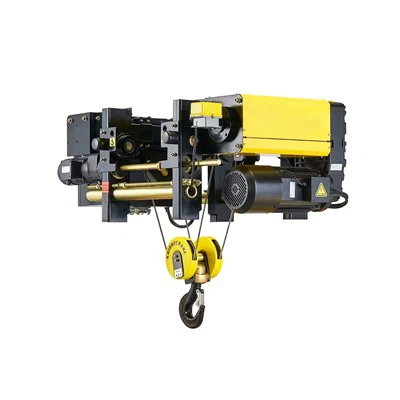
Troubleshooting common problems of an electric stage hoist can be a real headache, but don't worry! As an electric stage hoist supplier, I've seen it all and am here to share some tips on how to handle these issues.
Let's start with the basics. Before you start troubleshooting, make sure you've read the user manual. Sounds obvious, right? But you'd be surprised how many people skip this step. The manual is your best friend when it comes to understanding how your hoist works and what to do when things go wrong.
Power - related problems
One of the most common issues is power problems. If your hoist isn't working at all, the first thing to check is the power supply. Is it plugged in? Sounds simple, but it's often overlooked. Check the circuit breaker or fuse box to make sure there hasn't been a tripped breaker or a blown fuse. Sometimes, a simple reset can get your hoist up and running again.
If the power cord looks damaged, it's time to replace it. A frayed or cut cord can not only prevent the hoist from working but also pose a serious safety hazard. Make sure to use a cord that's rated for the voltage and amperage of your hoist.
Another power - related problem could be a faulty switch. If you've checked the power supply and the cord, and the hoist still won't turn on, the switch might be the culprit. You can test the switch with a multimeter. If it's not functioning properly, you'll need to replace it. You can find replacement switches at most hardware stores or order them directly from the hoist manufacturer.
Noise and vibration
Is your hoist making strange noises or vibrating more than usual? This could be a sign of several issues. First, check the mounting. Make sure the hoist is securely attached to its mounting surface. Loose bolts or brackets can cause excessive vibration and noise. Tighten any loose fasteners and see if the problem persists.
The gears in the hoist can also be a source of noise and vibration. Over time, gears can wear down, especially if the hoist is used frequently. If you suspect worn gears, it's a good idea to have a professional inspect them. They can determine if the gears need to be replaced. You can find high - quality replacement gears for our electric stage hoists at Entertainment Hoist Equipment For Stage Curtains Broadcasting Studio Lifting.
Overheating
Overheating is another common problem. If your hoist gets too hot, it can damage the motor and other components. One of the main causes of overheating is overloading. Make sure you're not exceeding the hoist's weight capacity. Each hoist has a specified maximum load, and exceeding it can put a lot of stress on the motor, causing it to overheat.
Poor ventilation can also lead to overheating. Check to make sure that the hoist's ventilation openings are not blocked. Dust and debris can accumulate over time, blocking the airflow and preventing the hoist from cooling properly. Use a soft brush or compressed air to clean the ventilation openings regularly.
Limit switch problems
Limit switches are an important safety feature on electric stage hoists. They are designed to stop the hoist when it reaches its maximum or minimum travel limit. If the limit switch isn't working correctly, the hoist could continue moving beyond its safe limits, which is extremely dangerous.
If you suspect a limit switch problem, first check the wiring. Loose or damaged wires can prevent the switch from functioning properly. Make sure all the connections are tight and the wires are in good condition. If the wiring is okay, the switch itself might be faulty. You'll need to replace it with a new one. You can find replacement limit switches for our 1T Electric Stage Hoist and other models on our website.
Brake issues
The brake on an electric stage hoist is crucial for safety. If the brake isn't holding the load properly, it can cause the load to fall, which is a major hazard. If you notice that the load is slipping when the hoist is stopped, the brake might need adjustment or replacement.
First, check the brake adjustment. Some hoists have an adjustable brake mechanism. Refer to the user manual to find out how to adjust the brake. If adjusting the brake doesn't solve the problem, the brake pads might be worn out. Worn brake pads need to be replaced. You can order replacement brake pads from us or have a professional technician install them for you.
Communication and control problems
In modern electric stage hoists, communication and control systems are used to operate the hoist remotely or in a coordinated manner. If you're having problems with the control system, such as the hoist not responding to commands from the remote control, first check the batteries in the remote. Dead or low - voltage batteries can cause communication issues. Replace the batteries and see if the problem is resolved.


If the batteries are fine, there could be an issue with the receiver unit on the hoist. Check the wiring and connections of the receiver. If there are any loose or damaged wires, repair or replace them. In some cases, the receiver might need to be reprogrammed. You can follow the instructions in the user manual to reprogram the receiver or contact our technical support team for assistance.
Maintenance is key
Regular maintenance is the best way to prevent these common problems. Keep the hoist clean and lubricated. Use a high - quality lubricant on the moving parts, such as the gears and bearings, according to the manufacturer's recommendations. This will reduce friction and wear, extending the life of the hoist.
Inspect the hoist regularly for signs of wear and tear. Look for any loose parts, damaged components, or signs of corrosion. Catching problems early can save you a lot of time and money in the long run.
If you're in the market for a new electric stage hoist, we offer a wide range of options, including the 1T Electric Stage Hoist and Stage Hoist For Concert Stages. Our hoists are built to last and come with excellent customer support.
If you're experiencing problems with your current hoist or are interested in purchasing a new one, don't hesitate to reach out to us. We're here to help you with all your electric stage hoist needs, from troubleshooting to purchasing. Contact us today to start a conversation about your requirements and let's find the perfect solution for you.
References
- Manufacturer's user manuals for electric stage hoists
- Industry standards and guidelines for electric hoist maintenance and safety
So, there you have it! By following these troubleshooting tips, you can keep your electric stage hoist in top - notch condition and ensure a smooth and safe operation. Whether you're a theater owner, a concert promoter, or a stage technician, a well - maintained hoist is essential for your events.