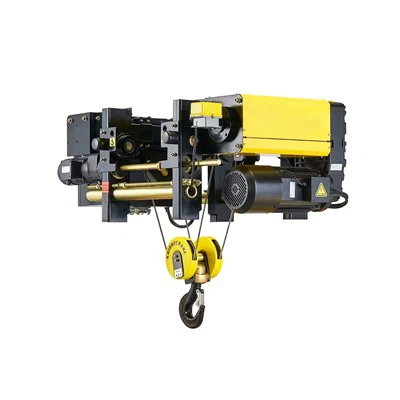
Transporting a hand manual stacker requires careful planning and execution to ensure its safety and functionality upon arrival at the destination. As a supplier of hand manual stackers, I understand the importance of proper transportation methods to maintain the quality of our products. In this blog, I will share some valuable insights on how to transport a hand manual stacker effectively.
Pre - transportation Preparation
Before transporting a hand manual stacker, it is crucial to conduct a thorough inspection. Check for any loose parts, damage, or signs of wear. Tighten all bolts and nuts to prevent them from coming loose during transit. For instance, if the forks of the stacker are not firmly attached, they could shift and cause damage to the stacker or other items in the transport vehicle.
Clean the stacker to remove any dirt, debris, or grease. A clean stacker not only looks better but also helps in identifying any potential issues during the inspection. Additionally, it reduces the risk of dirt getting into moving parts and causing malfunctions later.
If possible, disassemble the stacker into its major components. This can make it easier to handle and transport, especially if the stacker is large or bulky. However, make sure to keep all the parts organized and label them properly. For example, the hydraulic pump, forks, and frame can be disassembled separately. This way, they can be packed more efficiently and are less likely to be damaged.
Packaging
Proper packaging is essential to protect the hand manual stacker during transportation. Use high - quality packing materials such as foam, bubble wrap, and cardboard boxes. Wrap the individual components of the stacker with foam or bubble wrap to cushion them against shocks and vibrations.
For the frame of the stacker, a custom - made cardboard box can be used. The box should be large enough to accommodate the frame with some extra space for padding. Place the wrapped frame inside the box and fill the remaining space with additional foam or packing peanuts to prevent movement.
The forks of the stacker are particularly vulnerable to damage. Wrap them tightly with bubble wrap and secure them with tape. You can also place them in a separate box or use a fork protector if available.
The hydraulic pump is a critical component of the stacker. It should be wrapped carefully and placed in a shock - absorbing container. Make sure to protect the hoses and connectors as well.
Loading
When loading the hand manual stacker onto the transport vehicle, use appropriate lifting equipment such as a forklift or a hoist. Ensure that the lifting equipment is in good working condition and has the capacity to lift the weight of the stacker or its components.
Place the stacker or its components on the vehicle in a stable and secure manner. If transporting multiple stackers, stack them carefully to avoid overloading one side of the vehicle. Use straps or ropes to secure the stacker to the vehicle to prevent it from shifting during transit. For example, you can tie the stacker to the vehicle's tie - down points using ratchet straps.


If the transport vehicle has a flatbed, make sure to cover the stacker with a waterproof tarp to protect it from the elements. This is especially important if the journey involves exposure to rain, snow, or sunlight.
Choosing the Right Transport Method
There are several transport methods available for hand manual stackers, including road, rail, and air. The choice of transport method depends on various factors such as the distance, time constraints, and cost.
Road Transport: This is the most common method for transporting hand manual stackers, especially for short to medium - distance deliveries. Trucks offer flexibility in terms of pick - up and delivery locations. However, road conditions can vary, and there is a risk of traffic delays. When choosing a road transport provider, make sure they have experience in transporting industrial equipment and have proper safety measures in place.
Rail Transport: Rail transport is suitable for long - distance transportation. It is generally more cost - effective than air transport and can handle large volumes of goods. However, rail transport may require additional handling at transfer points, which can increase the risk of damage. Make sure to choose a reliable rail carrier and ensure that the stacker is properly secured during transit.
Air Transport: Air transport is the fastest option, but it is also the most expensive. It is ideal for urgent deliveries or when transporting stackers over long distances. However, air transport has strict weight and size restrictions, so make sure to check with the airline before shipping.
Unloading and Installation
Upon arrival at the destination, unload the hand manual stacker carefully using the same lifting equipment used for loading. Inspect the stacker again for any damage that may have occurred during transit. If any damage is found, document it immediately and contact the transport provider and the insurance company if applicable.
Reassemble the stacker according to the manufacturer's instructions. Make sure to use the correct tools and follow all safety procedures. After reassembly, test the stacker to ensure that it is functioning properly. Check the hydraulic system, the lifting mechanism, and the brakes.
Conclusion
Transporting a hand manual stacker requires attention to detail at every step. From pre - transportation preparation to unloading and installation, each stage plays a crucial role in ensuring the stacker arrives at its destination in good condition.
As a supplier of Hand Pallet Manual Lift Stackers, Manual Stackers Pallet Lifter, and 1ton Manual Stacker, we are committed to providing high - quality products and ensuring their safe transportation. If you are interested in purchasing our hand manual stackers or have any questions about transportation, please feel free to contact us for a detailed discussion and procurement negotiation.
References
- Industrial Equipment Transportation Guidelines, Industry Standard Publications
- Manufacturer's Manuals for Hand Manual Stackers