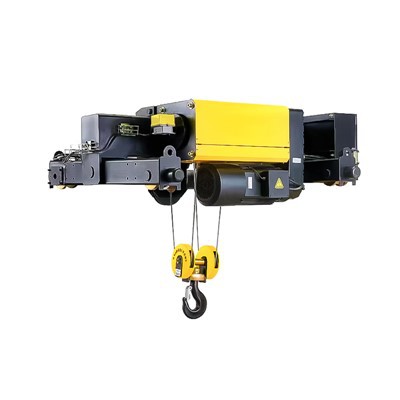
Hey there! As a supplier of European Type Hoists, I often get asked about how to test the lifting capacity of these bad boys. It's a crucial step to ensure safety and efficiency in any lifting operation. So, let's dive right into it.
Understanding the Basics
First things first, you gotta know what you're dealing with. European Type Hoists are known for their high-quality design and performance. They come in different shapes and sizes, like the European Electric Wire Rope Hoist and the European Girder Crane Electric Wire Rope Hoist. These hoists are built to handle various loads, but it's essential to test their lifting capacity before putting them to work.


Pre - Test Preparations
Before you start the actual test, you need to do some groundwork. Check the hoist thoroughly for any visible damage or wear and tear. Make sure all the components, like the wire ropes, hooks, and brakes, are in good condition. Also, review the manufacturer's specifications and guidelines. This will give you an idea of the maximum load the hoist is designed to handle.
Next, set up the testing area. It should be a clean, flat, and stable surface. Remove any obstacles that could interfere with the test. You'll also need to have the right tools on hand, such as a load cell (to measure the weight), a stopwatch (to time the operation), and a safety harness for the operator.
The Static Test
The static test is the first step in evaluating the lifting capacity. Start by attaching the load cell to the hook of the hoist. Then, gradually add weights to the load cell until you reach the rated lifting capacity of the hoist. Make sure to do this slowly and steadily to avoid any sudden shocks.
Once the load is in place, let it sit for a few minutes. This allows you to check for any signs of stress or deformation in the hoist. Look at the wire ropes for any stretching, and examine the hooks and other components for any movement or loosening. If everything looks good and there are no visible issues, the hoist passes the static test.
The Dynamic Test
After the static test, it's time for the dynamic test. This test checks how the hoist performs while actually lifting and moving the load. First, raise the load a few inches off the ground and hold it there for a few seconds. Observe the hoist's operation. The movement should be smooth, and the brakes should hold the load securely.
Then, lower the load back down and repeat the process a few times. This helps to ensure that the hoist can handle the load during multiple lifting and lowering cycles. You can also move the load horizontally (if the hoist has a trolley) to test its lateral stability.
During the dynamic test, pay close attention to the speed of the hoist. It should operate within the specified speed range. If the hoist is moving too fast or too slow, it could indicate a problem.
Monitoring and Recording
Throughout the test, keep a detailed record of everything. Note down the weight of the load, the time taken for each operation, and any observations you make. This data will be useful for future reference and for documenting the hoist's performance.
You can use a spreadsheet or a dedicated testing log to record the information. Make sure to include the date, the name of the operator, and any other relevant details. This will help you keep track of the hoist's history and ensure that it is regularly tested and maintained.
Post - Test Inspection
Once the tests are completed, inspect the hoist again. Check for any new signs of damage or wear that may have occurred during the test. Tighten any loose bolts or connections, and lubricate the moving parts if necessary.
Also, review the test results. If the hoist passed both the static and dynamic tests, it is ready to be used in your operations. However, if there were any issues, you'll need to address them before putting the hoist back into service. This may involve repairing or replacing damaged components.
Why Testing is So Important
Testing the lifting capacity of a European Type Hoist is not just a formality. It's a matter of safety. A hoist that is overloaded can fail, which can lead to serious accidents, injuries, and even fatalities. By conducting regular tests, you can ensure that the hoist is operating safely and efficiently.
Troubleshooting Common Issues
Sometimes, you may encounter some common issues during the test. For example, if the hoist makes strange noises during the dynamic test, it could be due to a problem with the gears or the motor. In this case, you'll need to shut down the hoist immediately and call a professional technician.
If the hoist fails to lift the load to the rated capacity, it could be because of a worn - out wire rope or a faulty brake. Again, stop the test and have the hoist inspected by an expert.
Continuous Improvement
Testing the lifting capacity of your European Type Hoist is not a one - time thing. It should be part of a regular maintenance and inspection schedule. By doing this, you can catch any potential problems early and prevent major breakdowns.
You can also use the test results to improve the performance of the hoist. For example, if you notice that the hoist is struggling to lift heavy loads, you may need to upgrade some of the components or adjust the operating parameters.
Conclusion
Testing the lifting capacity of a European Type Hoist is a critical process that every user should take seriously. By following the steps outlined above, you can ensure that your hoist is safe, reliable, and performing at its best.
If you're in the market for a high - quality European Type Hoist, we've got you covered. Our hoists are designed and manufactured to the highest standards, and we offer comprehensive support and after - sales service. If you're interested in learning more or making a purchase, don't hesitate to reach out. We're here to help you find the perfect hoist for your needs.
References
- European Hoist Manufacturers Association Guidelines
- OSHA (Occupational Safety and Health Administration) Regulations for Hoist Testing
- Manufacturer's Manuals for European Type Hoists