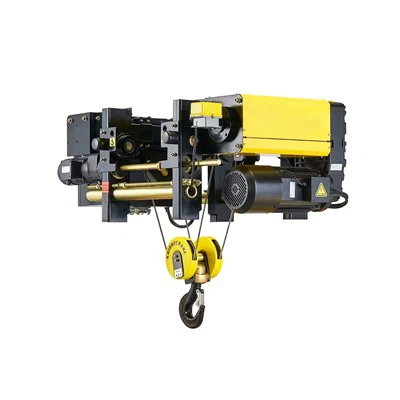
Storing a European electric hoist properly when it's not in use is crucial to maintain its performance, extend its lifespan, and ensure safety when it's put back into operation. As a European electric hoist supplier, I understand the importance of providing guidance on this topic. In this blog, I'll share some scientific and practical tips on how to store a European electric hoist effectively.
1. Pre - storage Inspection
Before storing the European electric hoist, a thorough inspection is necessary. Check the overall condition of the hoist, including the wire ropes, hooks, motors, and control systems.
- Wire Ropes: Inspect the wire ropes for any signs of wear, corrosion, or broken strands. If there are minor issues, you can consider applying a suitable lubricant to prevent further deterioration. However, if the damage is severe, the wire ropes should be replaced. For high - quality wire rope hoists, you can explore our European Type Wire Rope Hoist which is designed with durability in mind.
- Hooks: Examine the hooks for cracks, deformation, or excessive wear. Make sure the safety latches are functioning properly. Any defective hooks should be replaced immediately.
- Motors and Control Systems: Check the motors for proper insulation and the control systems for any loose connections or damaged components. Ensure that all electrical parts are in good working condition.
2. Cleaning
Cleaning the hoist is an essential step before storage. Remove any dirt, debris, grease, or other contaminants that may have accumulated during use.
- External Surfaces: Use a mild detergent and a soft cloth or brush to clean the external surfaces of the hoist. Pay special attention to areas where dirt tends to accumulate, such as the corners and crevices.
- Internal Components: For internal components, use compressed air to blow out any dust or debris. Avoid using excessive force that could damage sensitive parts. After cleaning, dry the hoist thoroughly to prevent rust and corrosion.
3. Lubrication
Proper lubrication helps to protect the moving parts of the hoist during storage.
- Moving Parts: Apply a high - quality lubricant to all moving parts, such as gears, bearings, and pulleys. This will prevent rust and ensure smooth operation when the hoist is used again. Follow the manufacturer's recommendations for the type and amount of lubricant to use.
- Wire Ropes: If the wire ropes are in good condition, apply a wire rope lubricant to protect them from corrosion. This will also reduce friction during future operations.
4. Disassembly (if necessary)
In some cases, it may be beneficial to disassemble the hoist for storage, especially if space is limited.
- Separate Components: If the hoist has removable components, such as the control panel or the motor, carefully disassemble them according to the manufacturer's instructions. Label each component clearly to ensure easy reassembly later.
- Proper Storage of Components: Store the disassembled components in a clean, dry place. Use protective covers or containers to prevent damage.
5. Storage Environment
The storage environment plays a significant role in maintaining the hoist's condition.
- Dry Location: Choose a dry storage area with low humidity to prevent rust and corrosion. Avoid storing the hoist in areas prone to flooding or high moisture, such as basements without proper ventilation.
- Temperature: Keep the storage area at a moderate temperature. Extreme heat or cold can damage the hoist's components, especially the electrical parts. Avoid storing the hoist in direct sunlight or near heat sources.
- Protection from Dust and Debris: Cover the hoist with a dust - proof cover to protect it from dust and debris. This will help to keep the hoist clean and reduce the risk of damage to the moving parts.
6. Periodic Checks
Even during storage, it's important to perform periodic checks on the hoist.
- Visual Inspections: Every few months, conduct a visual inspection of the hoist to check for any signs of damage, rust, or corrosion. Look for changes in the appearance of the components, such as discoloration or swelling.
- Functional Tests: If possible, perform some basic functional tests on the hoist, such as checking the operation of the control switches. This will help to ensure that the hoist is still in working condition when it's time to use it again.
7. Documentation
Keep all relevant documentation related to the hoist during storage.
- User Manuals and Maintenance Records: Store the user manuals, maintenance records, and any other documentation in a safe place. This information will be useful when it comes to reassembling, operating, and maintaining the hoist in the future.
- Inspection Reports: Keep records of the pre - storage inspection and any subsequent checks. This will help to track the hoist's condition over time.
8. Re - commissioning
When it's time to put the hoist back into use, proper re - commissioning is essential.


- Reassembly: If the hoist was disassembled for storage, carefully reassemble it according to the manufacturer's instructions. Make sure all components are properly installed and tightened.
- Testing: Conduct a comprehensive test of the hoist before using it for lifting operations. Check the functionality of all components, including the lifting mechanism, control system, and safety features.
As a European electric hoist supplier, we offer a wide range of high - quality hoists, including European Type Hoist and European Girder Crane Electric Wire Rope Hoist. Our hoists are designed with advanced technology and high - quality materials to ensure reliable performance and long - term durability.
If you are interested in purchasing a European electric hoist or have any questions about hoist storage and maintenance, please feel free to contact us for more information and to start a procurement negotiation. We are committed to providing you with the best products and services to meet your lifting needs.
References
- Hoist Manufacturer's User Manuals
- Industry Standards for Hoist Storage and Maintenance