


As a reputable supplier of semi-electric stackers, I understand the importance of keeping these essential pieces of equipment in optimal working condition. A damaged semi-electric stacker can disrupt operations, leading to downtime and potential loss of productivity. In this blog post, I'll share a comprehensive guide on how to repair a damaged semi-electric stacker, drawing from my experience in the industry.

Pre - repair Inspection
Before you start any repair work on a semi-electric stacker, a thorough inspection is crucial. This step helps you identify the root cause of the damage and determine the necessary repair steps.
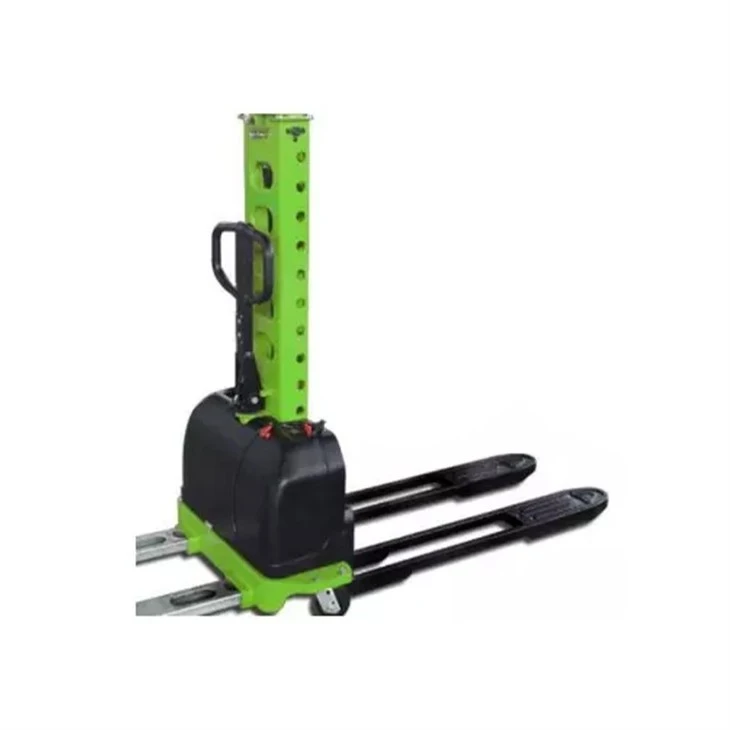
- Visual Inspection: Begin by visually examining the entire stacker. Look for signs of physical damage such as dents, cracks, or bent parts. Check the forks for any signs of wear or deformation. Inspect the hydraulic hoses for leaks, cuts, or bulges. Also, examine the electrical cables for fraying, exposed wires, or loose connections.
- Functional Testing: Operate the stacker through its normal range of motions. Test the lifting and lowering functions to see if there are any issues with speed, smoothness, or if the stacker fails to reach the desired height. Check the steering and braking systems to ensure they are working properly.
Common Problems and Repair Solutions
Electrical System Issues
- Battery Problems: One of the most common electrical issues is a faulty battery. If the stacker is not powering on or has a significantly reduced operating time, the battery might be the culprit. Check the battery terminals for corrosion. If there is corrosion, clean the terminals with a wire brush and a mixture of baking soda and water. Ensure the battery is fully charged. If the battery is old and no longer holding a charge, it may need to be replaced. You can refer to the manufacturer's specifications to select the appropriate replacement battery.
- Motor Malfunctions: A malfunctioning motor can cause the stacker to stop working or operate inefficiently. Check the motor's connections to ensure they are tight. If the motor is making unusual noises, it could be due to a lack of lubrication or a worn - out bearing. In some cases, the motor may need to be replaced. However, this is a more complex repair and may require the assistance of a professional technician.
Hydraulic System Problems
- Hydraulic Fluid Leaks: Leaking hydraulic fluid is a common issue in semi - electric stackers. If you notice hydraulic fluid on the ground or around the hydraulic cylinders, hoses, or fittings, there is a leak. First, identify the source of the leak. For minor leaks in the hoses, you can try tightening the fittings. If the hose is damaged, it will need to be replaced. When replacing a hydraulic hose, make sure to use a hose that is compatible with the stacker's hydraulic system.
- Weak Lifting Power: If the stacker has weak lifting power, it could be due to low hydraulic fluid levels. Check the hydraulic fluid reservoir and add the appropriate type of hydraulic fluid if necessary. Another possible cause is a clogged hydraulic filter. Replace the filter according to the manufacturer's recommendations to ensure proper fluid flow.
Mechanical Component Damage
- Fork Damage: Forks are subjected to a lot of stress during normal operation. If the forks are bent or damaged, they can affect the stacker's ability to lift and carry loads safely. Minor bends can sometimes be straightened using appropriate tools, but if the damage is severe, the forks should be replaced. Using damaged forks can lead to load instability and potential safety hazards.
- Wheel and Bearing Issues: Worn - out wheels or bearings can cause the stacker to move unevenly or make noise. Inspect the wheels for signs of wear, such as flat spots or excessive tread wear. If the wheels are damaged, replace them with the correct size and type for your stacker. Check the bearings for smooth rotation. If the bearings are noisy or difficult to turn, they may need to be replaced.
Tools and Parts Needed for Repairs
To carry out the repairs on a semi - electric stacker, you'll need a set of basic tools and replacement parts. Here are some of the essential items:

- Tools: A set of wrenches, screwdrivers, pliers, a wire brush, a hydraulic fluid level gauge, and a multimeter for electrical testing.
- Parts: Replacement batteries, hydraulic hoses, filters, forks, wheels, bearings, and electrical cables. As a semi - electric stacker supplier, we offer a wide range of high - quality replacement parts for your stacker. You can explore our product offerings, such as the Self Loading Stacker Semi Electric, 3 Tons Semi Electric Stacker, and Semi Electric Pallet Self Lifting Stacker to find the parts that suit your needs.
Repair Process Steps
- Disconnect the Power: Before starting any repair work, make sure to disconnect the stacker from its power source. This is a safety precaution to prevent electrical shock or accidental movement of the stacker.
- Remove the Damaged Parts: Use the appropriate tools to remove the damaged parts. For example, if you are replacing a hydraulic hose, use wrenches to loosen the fittings and remove the old hose.
- Install the Replacement Parts: Carefully install the new parts. Make sure all connections are tight and secure. When installing electrical components, follow the wiring diagrams provided by the manufacturer to ensure proper installation.
- Test the Repaired Stacker: After installing the replacement parts, reconnect the power and test the stacker. Check all the functions, including lifting, lowering, steering, and braking, to ensure they are working correctly.
Maintenance Tips to Prevent Future Damage
- Regular Inspections: Conduct regular visual and functional inspections of the stacker. This can help you detect potential problems early and prevent them from developing into major issues.
- Proper Lubrication: Keep all moving parts properly lubricated. This includes the bearings, joints, and hydraulic cylinders. Refer to the manufacturer's guidelines for the appropriate lubricants and lubrication intervals.
- Operator Training: Ensure that all operators are properly trained to use the semi - electric stacker. Improper operation can lead to unnecessary wear and tear and increase the risk of damage.
Conclusion
Repairing a damaged semi - electric stacker requires a systematic approach and the right tools and parts. By following the steps outlined in this guide, you can effectively diagnose and repair common problems with your stacker. As a semi - electric stacker supplier, we are committed to providing high - quality products and support to our customers. If you have any questions about stacker repairs or are interested in purchasing a new or replacement semi - electric stacker, please feel free to contact us for more information and to start a procurement discussion. Our team of experts is ready to assist you in finding the best solutions for your material handling needs.

References
- Manufacturer's manuals for semi - electric stackers
- Industry standards and best practices for material handling equipment maintenance


