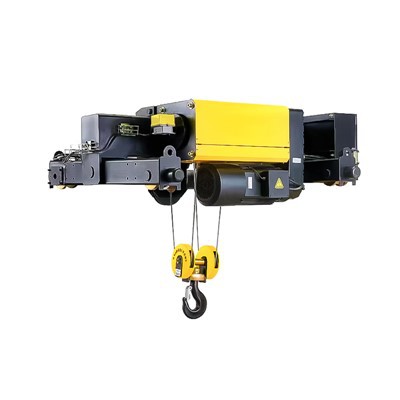
As a supplier of electric wire rope hoists, ensuring the accuracy of these lifting devices is of utmost importance. The accuracy of an electric wire rope hoist's lifting can significantly impact its performance, safety, and the overall efficiency of operations where it is used. In this blog, I will discuss various methods to measure the accuracy of an electric wire rope hoist's lifting.
Understanding the Key Aspects of Lifting Accuracy
Before delving into the measurement methods, it's essential to understand what we mean by the accuracy of an electric wire rope hoist's lifting. Lifting accuracy primarily refers to the ability of the hoist to lift a load to a specific height and position with minimal deviation. This includes factors such as vertical lifting accuracy, horizontal positioning accuracy, and the consistency of lifting speed.
Measuring Vertical Lifting Accuracy
One of the most straightforward ways to measure vertical lifting accuracy is by using a calibrated measuring tape or a laser distance meter. Here's a step - by - step process:
- Prepare the Hoist and Load: First, ensure that the electric wire rope hoist is properly installed and in good working condition. Select a test load that is within the hoist's rated capacity. Attach the load securely to the hoist's hook.
- Set the Reference Point: Mark a clear reference point on the structure where the hoist is installed, preferably at the lowest position of the load when it is at rest. This reference point will serve as the starting point for measuring the lifting height.
- Lift the Load: Operate the hoist to lift the load to a pre - determined height. Make sure to follow the manufacturer's instructions for safe operation.
- Measure the Height: Once the load has reached the desired height, use a calibrated measuring tape or a laser distance meter to measure the vertical distance from the reference point to the bottom of the load. Compare this measured height with the pre - determined height. The difference between the two values is the vertical lifting error.
For example, if the pre - determined height is 5 meters, and the measured height is 5.02 meters, the vertical lifting error is 0.02 meters or 2 centimeters. A small error indicates high vertical lifting accuracy.
Measuring Horizontal Positioning Accuracy
Horizontal positioning accuracy is crucial, especially in applications where the load needs to be placed precisely at a specific location. To measure horizontal positioning accuracy, you can use the following method:
- Set Up Target Markers: Place target markers at the desired horizontal positions where the load should be placed. These markers can be painted lines on the floor or fixed objects.
- Lift and Move the Load: Operate the hoist to lift the load and move it horizontally using the hoist's trolley system. For instance, if you are using an Electric Wire Rope Hoist With Trolley 2/1, carefully control the movement of the trolley to position the load over the target marker.
- Measure the Deviation: Once the load is in position, measure the horizontal distance between the center of the load and the center of the target marker. This deviation represents the horizontal positioning error.
A low horizontal positioning error indicates that the hoist can accurately place the load at the desired location, which is essential for tasks such as assembly line work or material handling in a confined space.
Measuring Lifting Speed Consistency
The consistency of lifting speed is another important aspect of lifting accuracy. Inconsistent lifting speeds can lead to jerky movements, which may cause damage to the load or pose a safety risk. To measure lifting speed consistency, you can use a speed sensor or a stopwatch in combination with a known distance.
- Select a Measuring Distance: Choose a vertical distance over which you will measure the lifting speed. Mark the starting and ending points clearly.
- Time the Lift: Operate the hoist to lift the load through the selected distance while starting and stopping a stopwatch at the appropriate times. Record the time taken for the lift.
- Repeat the Measurement: Repeat the lifting process several times (at least 5 - 10 times) to obtain a set of time measurements. Calculate the average time taken for the lift.
- Calculate the Speed: Divide the measured distance by the average time taken to calculate the average lifting speed. Compare the individual lifting speeds for each trial with the average speed. The variation in these speeds indicates the consistency of the lifting speed.
For a more accurate measurement, you can use a speed sensor that can directly measure the rotational speed of the hoist's motor or the movement of the wire rope.
Factors Affecting Lifting Accuracy
Several factors can affect the accuracy of an electric wire rope hoist's lifting. These include:
- Mechanical Wear and Tear: Over time, the components of the hoist, such as the wire rope, gears, and bearings, may experience wear and tear. This can lead to increased friction, which in turn can affect the lifting accuracy. Regular maintenance and inspection can help identify and replace worn - out components.
- Load Characteristics: The shape, size, and weight distribution of the load can also impact lifting accuracy. Irregularly shaped loads or loads with uneven weight distribution may cause the hoist to sway or deviate from the desired lifting path.
- Environmental Conditions: Factors such as temperature, humidity, and wind can affect the performance of the hoist. Extreme temperatures can cause the wire rope to expand or contract, while wind can push the load off - course during lifting.
Importance of Accurate Lifting Measurement
Accurately measuring the lifting accuracy of an electric wire rope hoist is crucial for several reasons:
- Safety: Ensuring that the hoist can lift and position loads accurately reduces the risk of accidents. For example, if a load is not placed precisely, it may fall or collide with other objects, causing damage or injury.
- Productivity: High - accuracy hoists can perform tasks more efficiently, reducing the time required for material handling and assembly operations. This can lead to increased productivity and cost savings.
- Quality Assurance: In industries where precision is critical, such as aerospace or electronics manufacturing, accurate lifting is essential for maintaining product quality.
Different Types of Electric Wire Rope Hoists and Their Accuracy
We offer a range of electric wire rope hoists, each with its own characteristics and accuracy levels. For example, the Electric Double Girder Wire Rope Hoist is designed for heavy - duty applications and typically offers high lifting accuracy due to its robust construction and advanced control systems.
The Electric Wire Rope Hoist European Type Monorail Hoist is known for its smooth operation and precise positioning capabilities, making it suitable for applications where high accuracy is required.


Conclusion
Measuring the accuracy of an electric wire rope hoist's lifting is a multi - faceted process that involves assessing vertical lifting accuracy, horizontal positioning accuracy, and lifting speed consistency. By understanding the key aspects of lifting accuracy, using appropriate measurement methods, and considering the factors that can affect accuracy, you can ensure that your hoist operates safely and efficiently.
If you are in the market for an electric wire rope hoist or need to improve the accuracy of your existing hoist, we are here to help. Our team of experts can provide you with the right hoist solutions and offer guidance on maintaining and improving lifting accuracy. Contact us to start a procurement discussion and find the best electric wire rope hoist for your specific needs.
References
- Crane Manufacturers Association of America (CMAA). Crane and Hoist Design, Operation, and Maintenance Standards.
- Occupational Safety and Health Administration (OSHA). Safety Standards for Hoists and Lifting Equipment.
- Manufacturer's Manuals for Electric Wire Rope Hoists.