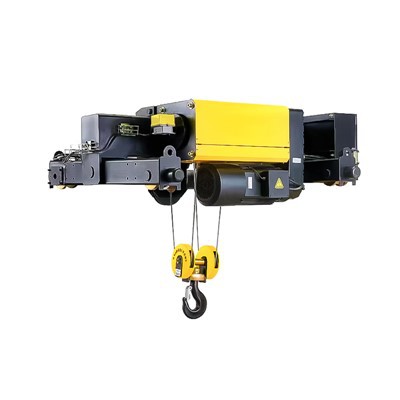
Hey there! As a supplier of Stage Chain Hoists, I've seen firsthand how crucial it is to ensure the alignment of the load when using these nifty devices. Misaligned loads can lead to all sorts of problems, such as uneven wear and tear on the hoist components, increased risk of accidents, and even damage to the load itself. So, today, I'm gonna share some tips on how to make sure your load stays perfectly aligned when using a Stage Chain Hoist.
Understanding the Basics of Load Alignment
Before we dive into the nitty - gritty details of ensuring load alignment, let's quickly go over what it means. Load alignment refers to the proper positioning of the load in relation to the hoist. When the load is aligned correctly, the force is evenly distributed across the hoist's chain and other components, which helps in smooth operation and extends the lifespan of the hoist.
Pre - Operation Checks
The first step in ensuring load alignment starts even before you start lifting the load.
Inspect the Hoist
Give your Stage Chain Hoist a thorough once - over. Check for any signs of damage, like frayed chains, loose bolts, or worn - out gears. A damaged hoist can't lift a load properly, let alone keep it aligned. Here at our company, we always recommend using high - quality hoists, like our Stage Hoist 250kg. It's built to last and can handle loads with ease.
Check the Mounting
Make sure the hoist is securely mounted. An unstable mount can cause the hoist to tilt, which will lead to a misaligned load. Double - check all the mounting points and ensure they are tightened properly.
Examine the Load
Look at the load itself. Check for any irregularities in shape or weight distribution. If the load is heavy on one side, it's more likely to be misaligned during lifting. You might need to add counterweights or adjust the attachment points to balance it out.
Proper Attachment of the Load
How you attach the load to the hoist plays a huge role in load alignment.
Use the Right Hooks and Slings
Choose hooks and slings that are appropriate for the load. They should be strong enough to support the weight and have a proper design for easy attachment. For example, our Electric Hoist Stage Lifting Equipment comes with high - quality hooks and slings that are designed to keep the load secure and aligned.
Center the Load
When attaching the load, make sure it's centered under the hoist. This might seem obvious, but it's often overlooked. A centered load will hang straight down, reducing the chances of misalignment.
Ensure Even Tension
If you're using multiple slings or attachment points, make sure the tension is even across all of them. Uneven tension can cause the load to tilt or twist.
Lifting the Load
Now that everything is set up, it's time to lift the load.
Start Slowly
Begin the lifting process slowly. This allows you to monitor the load's alignment right from the start. If you notice any signs of misalignment, you can stop and make adjustments before it gets worse.
Keep an Eye on the Load
As the load is being lifted, keep a close watch on it. Look for any signs of tilting, swaying, or twisting. If you see any of these, stop the hoist immediately and figure out what's causing the problem.
Use Guide Ropes
For larger or more awkwardly - shaped loads, using guide ropes can be a great idea. Guide ropes help you control the movement of the load and keep it aligned.
Mid - Lift Adjustments
Sometimes, despite all your preparations, the load might start to become misaligned during the lift.
Stop and Assess
If you notice the load is off - center, stop the hoist right away. Don't try to force the hoist to keep lifting. Assess the situation and figure out what's causing the misalignment.
Make Small Adjustments
Once you've identified the problem, make small adjustments. This could involve adjusting the attachment points, adding or removing counterweights, or using the guide ropes to re - position the load.
Post - Lift Checks
After you've successfully lifted and placed the load, it's still important to do a few checks.
Inspect the Hoist Again
Check the hoist for any signs of stress or damage that might have occurred during the lift. This will help you catch any potential problems early on.
Evaluate the Load Alignment
Look at how the load was placed. If it was supposed to be in a specific position, make sure it's aligned correctly. If not, you might need to make some final adjustments.
Maintenance for Continued Alignment
Regular maintenance of your Stage Chain Hoist is essential for ensuring proper load alignment in the long run.
Lubrication
Keep the moving parts of the hoist well - lubricated. This reduces friction and wear, which helps the hoist operate smoothly and keeps the load aligned.
Chain Inspection
Regularly inspect the chain for wear and tear. A worn - out chain can cause the load to shift during lifting.
Calibration
Periodically calibrate the hoist to make sure it's operating within the correct specifications. This helps maintain accurate load alignment.
Conclusion
Ensuring the alignment of the load when using a Stage Chain Hoist is all about attention to detail. From pre - operation checks to post - lift evaluations, every step matters. By following these tips, you can not only protect your hoist and the load but also ensure a safe and efficient lifting process.
If you're in the market for a reliable Stage Chain Hoist, we've got you covered. Our products, like the Stage Hoist With Quiet Operation, are designed with quality and performance in mind. If you have any questions or want to discuss your specific needs, feel free to reach out to us. We're always happy to help you find the perfect hoist for your requirements and ensure you know how to use it safely and effectively.


References
- Industry standards for stage chain hoist operation.
- Manufacturer's manuals for stage chain hoists.
- Safety guidelines for load lifting and alignment.