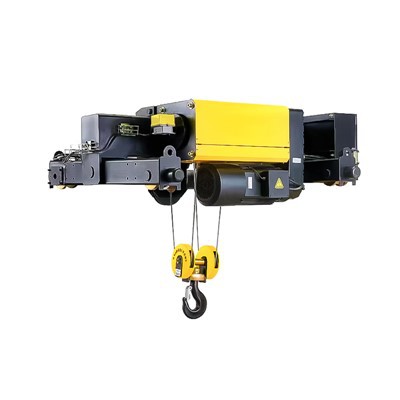
As a supplier of electric stage hoists, I understand the critical importance of properly adjusting the tension of ropes or cables in these systems. Incorrect tension can lead to a range of issues, from poor performance to safety hazards. In this blog post, I'll share some professional insights on how to adjust the tension of ropes or cables in an electric stage hoist.
Understanding the Basics of Tension in Electric Stage Hoists
Before diving into the adjustment process, it's essential to understand why tension matters. In an electric stage hoist, the ropes or cables are responsible for lifting and lowering heavy loads. The right tension ensures smooth operation, accurate positioning, and the safety of both the equipment and the people working around it.
If the tension is too loose, the ropes or cables may slip, causing the load to move unexpectedly or even fall. On the other hand, if the tension is too tight, it can put excessive stress on the hoist components, leading to premature wear and tear, and potentially causing mechanical failures.
Tools Required for Tension Adjustment
To adjust the tension of ropes or cables in an electric stage hoist, you'll need a few essential tools:
- Tension Gauge: This tool measures the tension in the rope or cable, allowing you to determine if it's within the recommended range.
- Wrenches and Screwdrivers: These are used to loosen or tighten the fasteners that hold the rope or cable in place.
- Lubricant: Applying lubricant to the ropes or cables can reduce friction and ensure smooth movement.
Step-by-Step Guide to Adjusting Tension
Here's a step-by-step guide on how to adjust the tension of ropes or cables in an electric stage hoist:
- Inspect the Hoist: Before making any adjustments, thoroughly inspect the hoist for any signs of damage or wear. Check the ropes or cables for fraying, kinking, or other issues. If you notice any problems, address them before proceeding with the tension adjustment.
- Determine the Recommended Tension: Refer to the hoist's user manual or manufacturer's specifications to find the recommended tension for the ropes or cables. This information is crucial for ensuring proper operation.
- Measure the Current Tension: Use a tension gauge to measure the current tension in the ropes or cables. Compare the measured value with the recommended tension. If the tension is too low or too high, you'll need to make adjustments.
- Loosen the Fasteners: Use wrenches or screwdrivers to loosen the fasteners that hold the ropes or cables in place. This will allow you to adjust the tension.
- Adjust the Tension: Depending on whether the tension is too low or too high, you'll need to either increase or decrease it. To increase the tension, tighten the fasteners slightly. To decrease the tension, loosen the fasteners. Make small adjustments and re-measure the tension after each adjustment until it reaches the recommended value.
- Tighten the Fasteners: Once you've achieved the correct tension, use wrenches or screwdrivers to tighten the fasteners securely. Make sure they're tightened to the manufacturer's specifications.
- Test the Hoist: After adjusting the tension, test the hoist to ensure it's operating smoothly. Lift and lower a load to check for any signs of abnormal movement or noise. If everything seems normal, the tension adjustment was successful.
Common Mistakes to Avoid
When adjusting the tension of ropes or cables in an electric stage hoist, there are a few common mistakes to avoid:
- Over-tightening or Under-tightening: As mentioned earlier, over-tightening or under-tightening the ropes or cables can lead to serious problems. Always refer to the manufacturer's specifications and use a tension gauge to ensure the correct tension.
- Ignoring Safety Precautions: Working with electric stage hoists can be dangerous. Always follow safety procedures, such as wearing appropriate personal protective equipment and ensuring the hoist is properly grounded.
- Not Inspecting the Hoist Regularly: Regular inspections are essential for maintaining the safety and performance of the hoist. Make sure to inspect the ropes or cables, as well as other components, on a regular basis.
Importance of Professional Maintenance
While it's possible to adjust the tension of ropes or cables in an electric stage hoist yourself, it's highly recommended to have the hoist serviced by a professional regularly. Professional maintenance can help identify and address potential issues before they become major problems, ensuring the long-term reliability and safety of the hoist.
At our company, we offer a range of electric stage hoists, including Electric Truss Hoist Stage Lifting Equipment, Entertainment Stage Truss Winches Lifting Hoist, and Stage Electric Chain Hoist. Our products are designed to meet the highest standards of quality and safety, and we provide comprehensive support and maintenance services to ensure your hoists operate at their best.
If you're in the market for an electric stage hoist or need assistance with tension adjustment or maintenance, don't hesitate to contact us. Our team of experts is ready to help you find the right solution for your needs and ensure the smooth and safe operation of your equipment.


References
- Manufacturer's user manuals for electric stage hoists
- Industry standards and guidelines for hoist operation and maintenance