


Can I repair an electric chain hoist that has been submerged in water?
As a seasoned provider of Electric Chain Hoist Repair services, I often encounter inquiries from customers whose electric chain hoists have suffered the unfortunate fate of being submerged in water. This is a common yet distressing situation that can lead to significant downtime and potential financial losses for businesses relying on these essential lifting tools. In this blog post, I'll delve into the possibilities of repairing a water - submerged electric chain hoist, the steps involved, and what to consider along the way.
Understanding the Risks of Water Submersion
When an electric chain hoist is submerged in water, several critical components are at risk. Water can cause immediate and long - term damage to the electrical system, including the motor, control panel, and wiring. Electrical shorts can occur, leading to malfunctions or even complete failure of the hoist. Moreover, water can also corrode the mechanical parts such as gears, chains, and bearings, compromising their integrity and performance over time.
The type of water also matters. Freshwater, while less corrosive than saltwater, can still introduce moisture that leads to rust and electrical issues. Saltwater, on the other hand, is highly corrosive and can cause rapid deterioration of metal components. Additionally, if the water contains contaminants such as dirt, debris, or chemicals, the damage can be even more severe.
Assessing the Damage
The first step in determining whether a water - submerged electric chain hoist can be repaired is a thorough assessment of the damage. This should be carried out by a professional with experience in hoist repair. The assessment typically includes:
- Visual Inspection: Check for visible signs of water damage, such as rust, corrosion, or water stains on the hoist's exterior and interior components. Look for any loose or damaged parts that may have been dislodged during the submersion.
- Electrical Testing: Use specialized equipment to test the electrical components of the hoist. This includes checking the continuity of the wiring, the insulation resistance, and the functionality of the motor and control panel. Electrical testing can help identify any shorts or other electrical issues that may have occurred due to water exposure.
- Mechanical Inspection: Examine the mechanical components of the hoist, including the chains, gears, and bearings. Check for signs of wear, corrosion, or damage. Measure the clearances and tolerances of the moving parts to ensure they are within the manufacturer's specifications.
Repairing the Electric Chain Hoist
If the assessment reveals that the damage is not extensive, it may be possible to repair the electric chain hoist. The repair process typically involves the following steps:
- Drying: The first step is to dry the hoist thoroughly. This can be done by disassembling the hoist and allowing the components to air - dry in a well - ventilated area. In some cases, a low - heat source such as a heat gun or an oven set to a low temperature can be used to speed up the drying process. However, care must be taken not to overheat the components, as this can cause further damage.
- Cleaning: Once the hoist is dry, the components should be cleaned to remove any dirt, debris, or corrosion. This can be done using a mild detergent and a soft brush. For stubborn corrosion, a rust remover or a wire brush may be necessary. After cleaning, the components should be rinsed thoroughly with clean water and dried again.
- Replacing Damaged Parts: Any components that are severely damaged or corroded should be replaced. This may include electrical components such as motors, switches, and wiring, as well as mechanical components such as chains, gears, and bearings. It is important to use high - quality replacement parts that are compatible with the hoist's make and model.
- Reassembly and Testing: After all the damaged parts have been replaced, the hoist should be reassembled. Once reassembled, the hoist should be tested to ensure it is functioning properly. This includes testing the lifting and lowering functions, as well as the safety features of the hoist.
When Repair is Not an Option
In some cases, the damage to the electric chain hoist may be too extensive to repair. This can occur if the hoist has been submerged in water for an extended period, or if the water was highly corrosive or contaminated. If the electrical components are severely damaged or if the mechanical components are beyond repair, it may be more cost - effective to replace the hoist rather than attempting to repair it.
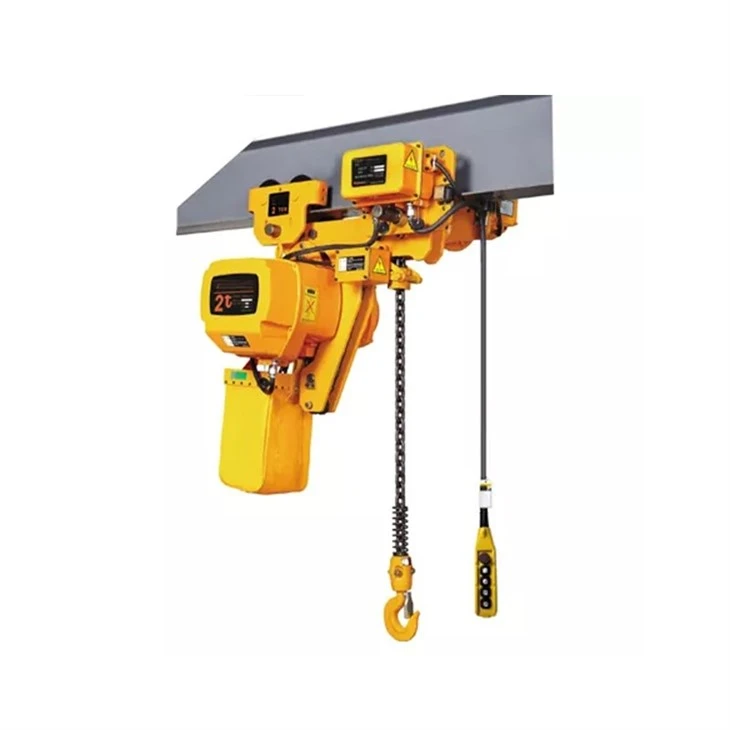
When considering replacement, it's important to choose a high - quality electric chain hoist that meets your specific requirements. We offer a range of electric chain hoists, including the Electric Chain Hoist 220V 380V, the 2 Ton Electric Chain Hoist with Trolley, and the 3 4 Ton Electric Chain Hoist. These hoists are designed for durability and reliability, and are suitable for a variety of industrial applications.
Preventing Future Water Damage
To prevent future water damage to your electric chain hoist, it's important to take some preventive measures. These include:

- Proper Storage: Store the hoist in a dry, protected area when not in use. If the hoist is used outdoors, consider using a waterproof cover to protect it from the elements.
- Regular Maintenance: Perform regular maintenance on the hoist, including cleaning, lubrication, and inspection. This can help identify and address any potential issues before they become major problems.
- Installation in a Suitable Location: Install the hoist in a location that is not prone to flooding or water exposure. If the hoist is installed in an area where water is a risk, consider using a waterproof enclosure or a raised platform.
Conclusion
In conclusion, it is possible to repair an electric chain hoist that has been submerged in water, but it depends on the extent of the damage. A thorough assessment by a professional is essential to determine whether repair is feasible. If the damage is minor, the hoist can often be repaired through a process of drying, cleaning, and replacing damaged parts. However, if the damage is extensive, replacement may be the best option.
If you have an electric chain hoist that has been submerged in water, or if you are in need of a new electric chain hoist, please don't hesitate to contact us. Our team of experts is ready to assist you with all your electric chain hoist repair and procurement needs. We can provide you with professional advice, high - quality products, and reliable repair services to ensure your operations run smoothly.
References
- ASME B30.16 - Safety Standard for Overhead Hoists (Underhung).
- Manufacturer's manuals for electric chain hoists.
- Industry best practices for hoist maintenance and repair.


