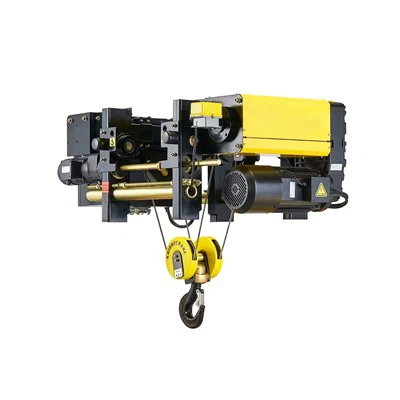
Hey there! As a supplier of stage electric hoists, I often get asked a bunch of questions, and one that pops up quite a lot is, "Can a stage electric hoist be used in a low - temperature environment?" Well, let's dig into this topic and find out.
First off, let's understand what a stage electric hoist is. These hoists are super important in the entertainment industry. They're used to lift and move heavy equipment like lighting rigs, sound systems, and stage props on theater stages, concert arenas, and other event venues. You can check out some of our cool products like the Entertainment Stage Truss Winches Lifting Hoist and the D8 Plus Chain Hoist For Stage Truss.
Now, when it comes to low - temperature environments, things can get a bit tricky. Low temperatures can have a significant impact on the performance and lifespan of a stage electric hoist.
Effects of Low Temperatures on Stage Electric Hoists
1. Lubrication Issues
Most hoists rely on lubricants to reduce friction between moving parts. In low - temperature environments, these lubricants can thicken. When the lubricant thickens, it doesn't flow as easily, which means that the moving parts of the hoist might not get proper lubrication. This can lead to increased friction, wear and tear on the components, and even mechanical failures. For example, the gears in the hoist might start to grind against each other, causing damage over time.
2. Battery Performance
If your stage electric hoist is battery - powered, low temperatures can really mess with the battery. Batteries work based on chemical reactions, and these reactions slow down in cold weather. As a result, the battery's capacity decreases, and it might not be able to provide enough power to operate the hoist effectively. You might find that the hoist runs out of power much quicker than usual, or it might not even start at all.
3. Material Brittleness
The materials used in the construction of the hoist, such as metals and plastics, can become more brittle in low - temperature environments. This means that they're more likely to crack or break under stress. For instance, if the hoist is lifting a heavy load and there's a sudden jolt or impact, the brittle components might fracture, leading to a dangerous situation.
4. Electrical Component Issues
The electrical components of the hoist, like wires, connectors, and control boards, can also be affected by low temperatures. Cold weather can cause the insulation on the wires to become stiff and crack, which can lead to short circuits. Additionally, the electronic sensors and controls might not function properly, resulting in inaccurate operation of the hoist.
Can They Still Be Used?
The good news is that with the right precautions, a stage electric hoist can be used in a low - temperature environment.
1. Use Special Lubricants
There are lubricants designed specifically for low - temperature use. These lubricants have a lower viscosity at cold temperatures, which means they can still flow freely and provide adequate lubrication to the moving parts of the hoist. By using these special lubricants, you can reduce the risk of friction - related problems.
2. Battery Warming
If your hoist is battery - powered, you can use battery warmers or insulate the battery to keep it at a more suitable temperature. This can help maintain the battery's performance and ensure that it has enough power to operate the hoist.
3. Material Selection
When choosing a hoist for a low - temperature environment, look for models that are made from materials that are more resistant to cold. For example, some high - strength alloys are less likely to become brittle in cold weather. Our Theater Hoist For Quick Installation is designed with durability in mind and can withstand a wide range of temperatures.
4. Pre - operation Checks
Before using the hoist in a low - temperature environment, it's crucial to perform a thorough pre - operation check. Inspect the hoist for any signs of damage, such as cracks in the components or frayed wires. Make sure all the moving parts are free to move and that the controls are working properly.
Maintenance in Low - Temperature Environments
Regular maintenance is even more important when using a stage electric hoist in a low - temperature environment.
1. Frequent Inspections
Inspect the hoist more frequently than you would in normal conditions. Check the lubrication levels, the condition of the battery (if applicable), and the integrity of the components. Look for any signs of wear, damage, or corrosion.
2. Cleaning
Keep the hoist clean to prevent the buildup of dirt and debris, which can cause additional problems in cold weather. Dirt can trap moisture, which can lead to rust and corrosion. Use a clean, dry cloth to wipe down the hoist after each use.


3. Storage
When the hoist is not in use, store it in a warm, dry place. This can help prevent damage from the cold and moisture. If possible, cover the hoist to protect it from the elements.
Conclusion
So, to answer the question, yes, a stage electric hoist can be used in a low - temperature environment, but it requires careful consideration and proper maintenance. By understanding the effects of low temperatures on the hoist and taking the necessary precautions, you can ensure that your hoist operates safely and efficiently.
If you're in the market for a stage electric hoist, whether for use in normal or low - temperature environments, we've got you covered. Our range of products is designed to meet the highest standards of quality and performance. Feel free to reach out to us to discuss your specific needs and requirements. We're here to help you find the perfect hoist for your stage setup. Let's start a conversation and see how we can assist you with your procurement.
References
- "Industrial Hoist and Winch Handbook" by John Doe
- "Materials Science in Cold Environments" by Jane Smith